Do Korean lash extensions have one standard definition?
No published standard in the evidence reviewed here turns “Korean lash extensions” into one fixed curl, length, thickness, density or map. The phrase can still help you search for inspiration or describe a provider's specialty. The problem begins when a market label is treated as if it were a complete technical specification.
That distinction is visible inside the research itself. Three South Korean preference studies in the screened corpus do not converge on one preferred extension thickness. They share some vocabulary and some reported preferences, but the numbers change across papers and participant groups. A Portland provider cannot honestly collapse those separate results into one universal Korean set.
Search label. The term helps find references, but it does not specify a set.
Research results. Separate studies retain their own samples, values and transfer limits.
Appointment brief. Visible variables and the customer's goal travel better than the country label.
What did the three Korean eyelash studies actually report?
The useful connection appears only when the papers are read side by side. One study reported 0.15 mm as the most preferred thickness, another reported 0.05–0.07 mm, and a later study reported 0.10 mm. That disagreement is not a flaw to hide. It is the reason a geographic label cannot function as a single salon recipe.
| Published study | Reported thickness preference | Other reported preferences | What travels to Portland |
|---|---|---|---|
| Lee and Han, 2017 | 0.15 mm: 42.7% | Black, silk, JC curl, 11 mm and 80% density (Lee and Han, 2017) | Ask about each variable; do not copy the combination as a universal rule |
| Kwon and Heo, 2018 | 0.05–0.07 mm | Silk, JC curl and 10–11 mm (Kwon and Heo, 2018) | Treat the finding as one study's preference result, not a country standard |
| Kwon and Heo, 2019 | 0.10 mm: 41.1% | JC curl, 11 mm and 80% density (Kwon and Heo, 2019) | Use the variables as consultation prompts; ask the client what effect matters |
What gets lost when “Korean style” travels to Portland?
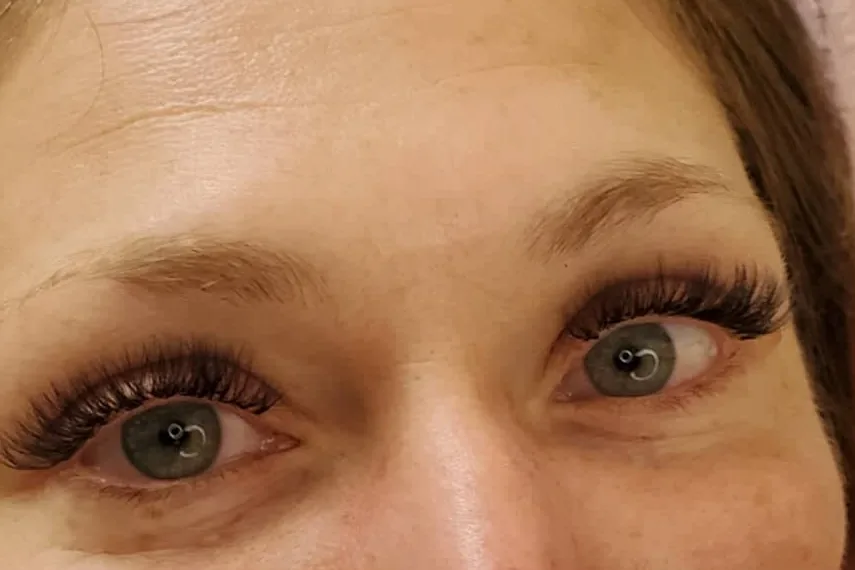
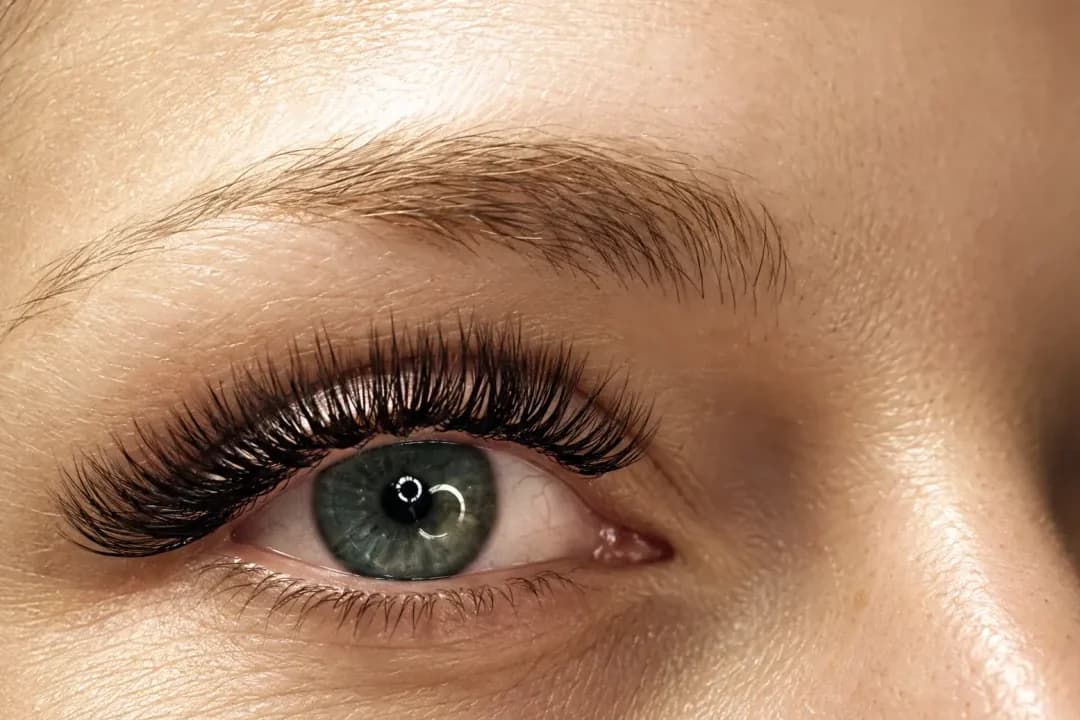
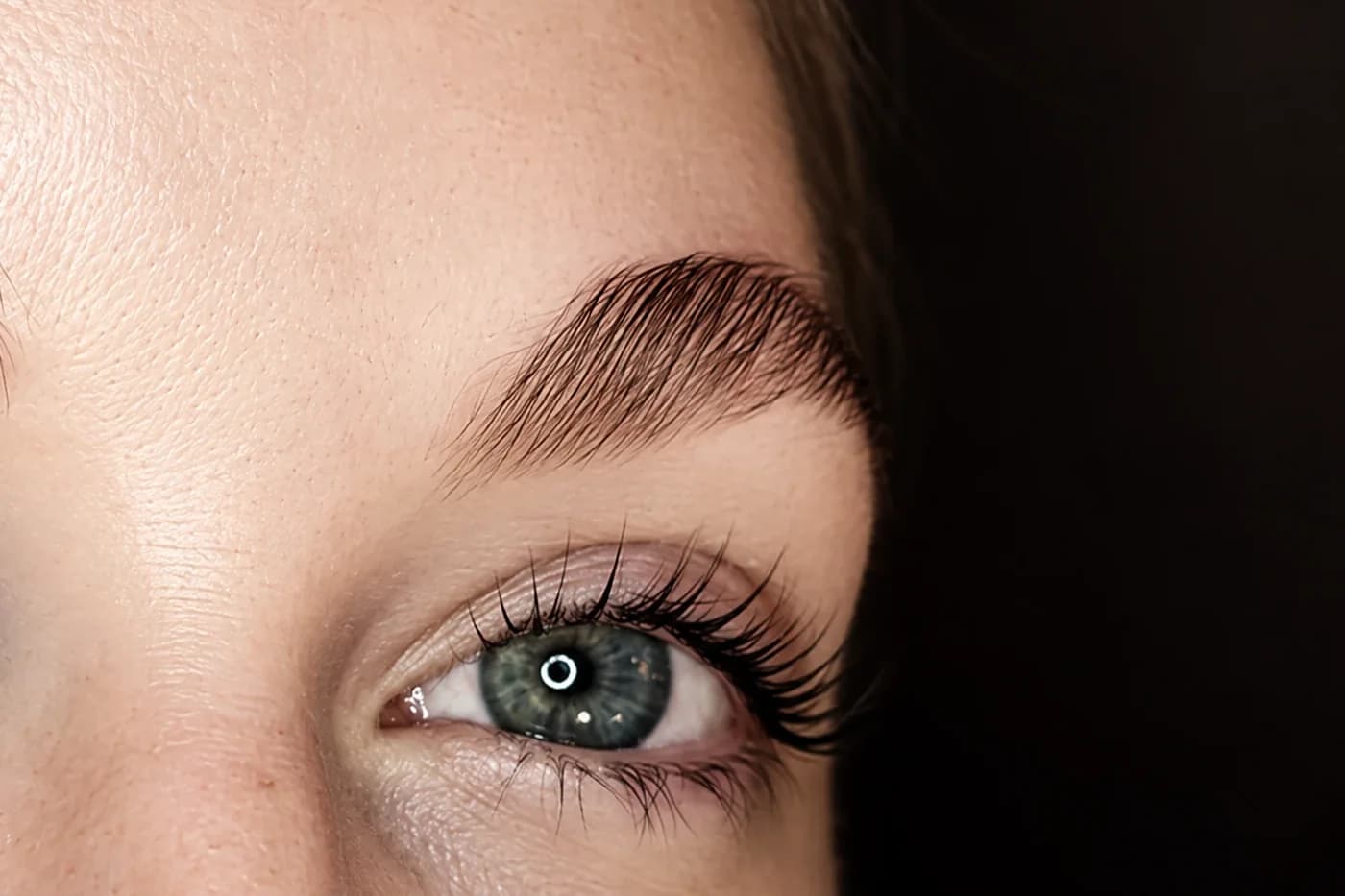
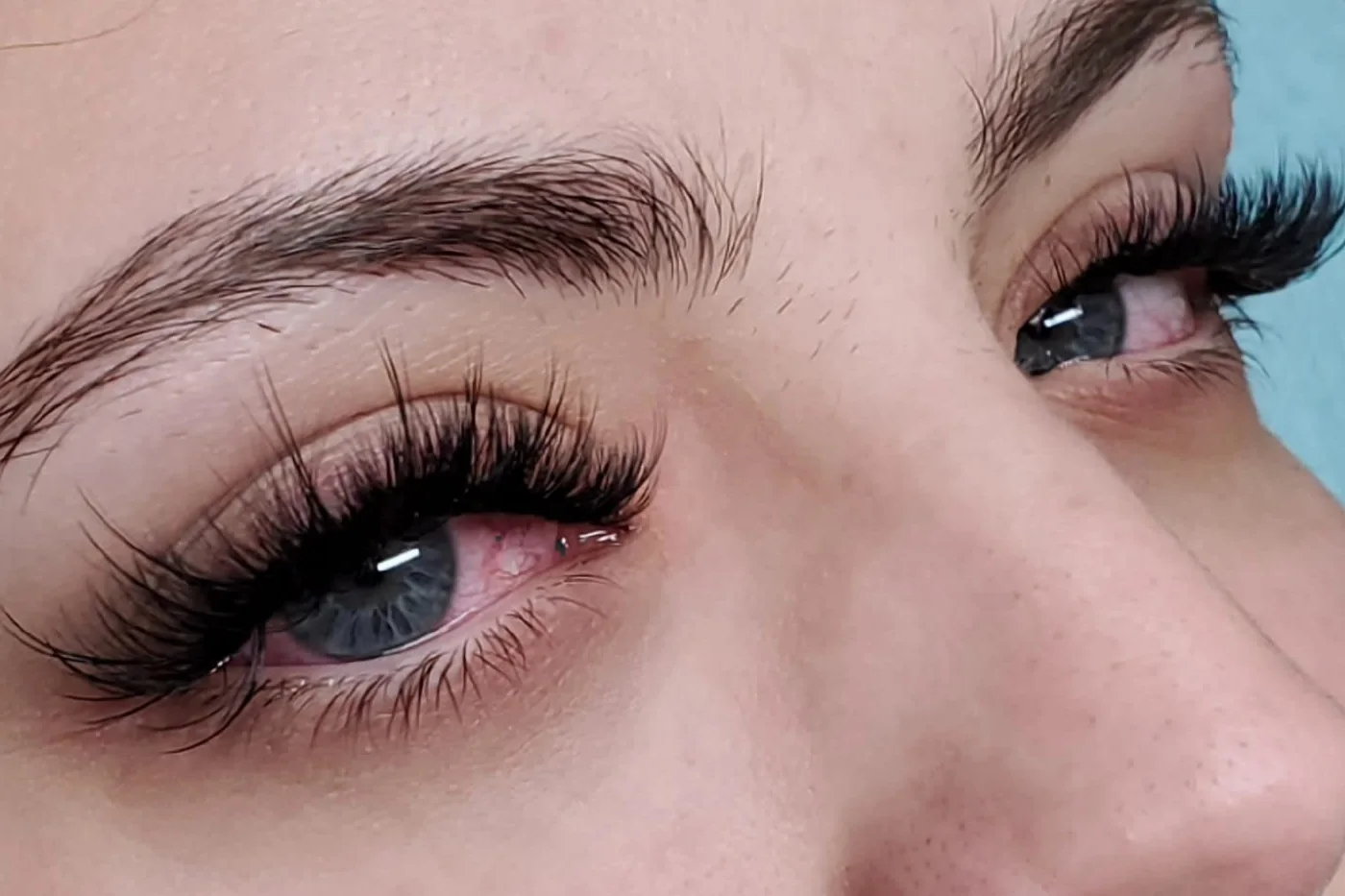
A term can travel faster than its original product system, training context, image references and service vocabulary. Two artists may both use “Korean style” while pointing to different curl systems, mapping patterns or texture. A customer may use the same phrase to mean a lifted open-eye effect, delicate spikes, lighter density or simply a photo found under that tag.
The studies can contribute the variables worth separating. They cannot establish Portland demand, define every Korean provider's work or assign a style to someone based on identity. “Korean” names the search and source context here. It is not a demographic prescription for a face.
| Variable | Point to in the reference | Question to answer |
|---|---|---|
| Curl and direction | How upright, rounded or swept the open-eye result looks | Which part of that direction do you want on your own lashes? |
| Length | The longest visible points and where they sit | Is the photo's length the goal, or only its shape and texture? |
| Thickness and density | How dark or airy the base appears | Where should the result sit between soft definition and a solid dark line? |
| Texture | Even separation, narrow points, spikes or soft fans | Which repeated detail makes the reference feel Korean-style to you? |
| Map | Where emphasis rises, falls or changes | Do you want the same emphasis, or only the overall mood? |
Can an AI camera identify Korean lash extensions from a photo?
It can describe bounded visible cues when the photo is clear: apparent curl, relative length, coverage, texture, direction and where emphasis appears. It cannot recover the product, fiber dimensions, training method, service history or geographic label from pixels. It also must not infer identity or taste from a face.
- The image contributes: visible direction, texture, coverage, contrast and where the reference places emphasis.
- You contribute: which part you like, what feels too long or dark, and the maintenance you want.
- Desiree confirms: how to translate that brief into the current menu and the lashes in front of her.
What should I book at Central Oasis for a Korean-style reference?
Central Oasis does not list a service called Korean lash extensions. The current full-set menu is Classic Lash Full Set ($150), Hybrid Lash Full Set ($170), Volume Lash Full Set ($235) and Mega Volume Lash Full Set ($275). Bring the reference and describe the visible variables above. Desiree can decide whether classic, hybrid, volume or another listed construction route fits the result after seeing your natural lashes and priorities.
I found this under Korean lash extensions. What I like is [the lifted direction / narrow texture / soft base], not necessarily the exact length. I want [soft / medium / dark] fullness, and this part would feel like too much. Which current full set would you use as the starting point?
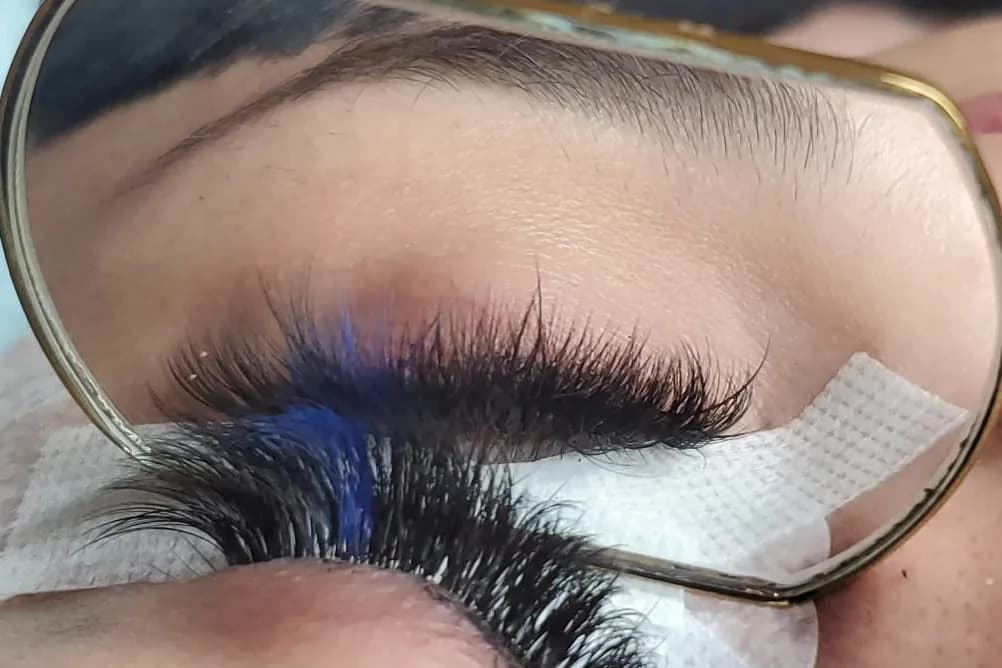
If your reference is actually a natural-lash reshaping service, use lash lift vs. lash perm; “Korean lash lift” is a separate search family and does not mean extension fibers. For piecey extension texture, compare wet set and mascara look. For application families, use classic, hybrid and volume.
Quick answers
- What are Korean lash extensions?
- The phrase is a market and inspiration label, not one research-backed technical standard. Providers may use it for different curls, maps, textures or product systems. Bring the reference and identify the visible details you mean. Three Korean preference studies in our corpus reported different preferred thicknesses (Lee and Han, 2017) (Kwon and Heo, 2018) (Kwon and Heo, 2019), so one numeric recipe would misstate the evidence.
- Are Korean lash extensions different from regular lash extensions?
- The label alone cannot answer that. Ask what fibers, curl system, mapping, density, texture and application family the provider means. A differently named service may use genuinely different products or training, but “Korean” by itself does not specify them. Compare the actual process and visible result instead of assuming a universal difference.
- Is a Korean lash lift the same as Korean lash extensions?
- No. A lash lift reshapes the natural lashes already present; extensions add fibers. “Korean” still does not identify one universal product or method in either category. If the reference shows lifted natural lashes rather than added fibers, start with the lift-versus-perm guide and ask what the provider's term includes.
- Does Central Oasis offer Korean-style lash extensions?
- The live menu does not use that service name. Central Oasis offers classic, hybrid, volume and mega-volume full sets, with current names and prices shown above. Send the reference and describe the direction, texture, length and fullness you want. Desiree can translate the visible brief into the appropriate listed service rather than promising a fixed geographic style.
Who’s behind the answers
About the studio
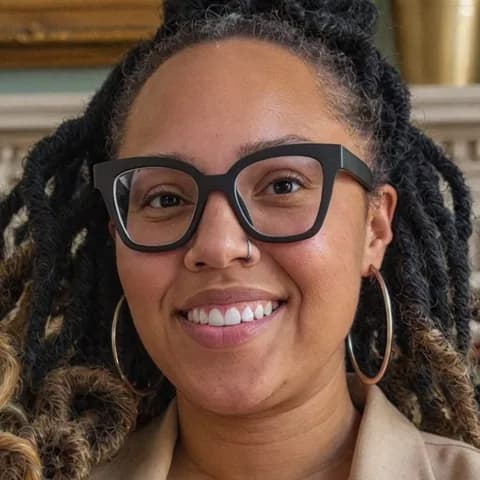
Central Oasis is a lash and brow studio in Northeast Portland, led by Desiree, the lash and brow artist. Every service description in this diary quotes her own menu, word for word.
Book it
- Classic Lash Full Set$150 · 120 minutesBook Classic Lash Full Set (opens Square in a new tab)
- Hybrid Lash Full Set$170 · 150 minutesBook Hybrid Lash Full Set (opens Square in a new tab)
- Volume Lash Full Set$235 · 180 minutesBook Volume Lash Full Set (opens Square in a new tab)
- Mega Volume Lash Full Set$275 · 180 minutesBook Mega Volume Lash Full Set (opens Square in a new tab)
Nothing is charged online; you pay at your visit.
Sources
- Lee K-H, Han C-J (2017). Usage of, Preference for, and Satisfaction with Extended Eyelashes and False Eyelashes in Adult Women. Asian Journal of Beauty and Cosmetology.A South Korean survey recording one participant group's extension preferences; it does not define a universal Korean style or a Portland preference.
- Kwon TI, Heo HS (2018). Preferences and Level of Satisfaction with Eyelash Beauty Treatments. Asian Journal of Beauty and Cosmetology.A South Korean survey reporting a different preferred thickness range alongside curl and length preferences; it does not establish a country-wide specification.
- Kwon TI, Heo HS (2019). Appearance Satisfaction and Self-esteem according to the Actual Situation of Eyelash Beauty. Asian Journal of Beauty and Cosmetology.A later South Korean survey whose screened findings again describe a participant group's preferences, not a fixed method for every provider or client.
Know someone with the same question?