What is the practical difference between brow tint and makeup?
| Goal | Brow tint | Makeup |
|---|---|---|
| Existing light hairs | Colors those hairs so they read more clearly | Can darken them temporarily |
| A sharper outline | Can be paired with shaping in the studio appointment | Can draw or soften an edge each day |
| The appearance of filling spaces | Cannot create new hair; skin staining is product- and wear-dependent | Can place temporary color between hairs |
| Changing the look tomorrow | Requires the tint to fade or be professionally reassessed | Washes off and can be redrawn |
At Central Oasis, the relevant listed appointment is Brow Shape and Tint. The name matters: it combines two levers, color and outline cleanup. If the goal is hair direction rather than just color and shape, compare brow lamination, tint and shaping instead.
The live tint-and-shape listing says:
Semi-permanent tinting of the brows and shapingFrom Desiree’s menu: Brow Tint and Shape
How should you describe the brow result you want?
Use visible language: lighter or darker, softer or more defined, a cleaner lower edge, a fuller-looking tail, or less contrast at the front. Avoid asking a photo to identify your identity, ideal color or what you should prefer. The same shade can read differently with lighting, skin contrast, hair density and camera processing.
Existing hairs. Tint changes how the brow hairs already present read in color and contrast.
Temporary drawing. Makeup can add a daily edge, width or the appearance of fill between hairs.
Chosen result. The customer names the desired definition; Desiree confirms color and shaping in person.
A controlled image study found that lower eyebrow positions made eyes appear larger and higher positions made them appear smaller, and that perceived eye inclination followed eyebrow inclination (Matsushita et al., 2015). That study concerns image perception, not tint selection. Its useful limit is that brows change how the eye area reads; it does not produce one correct brow for a person.
I want my existing brow hairs to read [slightly darker / more even], with [a soft / a clean] outline. I still want the front to look [soft / defined], and I do not want the result to look [too dark / too sharp].
What can brow tint not do?
- It cannot create new brow hairs.
- It cannot permanently redraw the brow outline.
- It cannot produce the same apparent color in every light or camera.
- It cannot replace a consultation about prior reactions, color and the shape you want.
The screened corpus includes a case report stating that approved eyebrow and eyelash dyes can sometimes irritate the ocular surface (Kaiserman, 2003). A case report supports possibility, not frequency, and it does not predict your response. Tell Desiree about any prior reaction to tint or hair dye before the appointment and follow the studio's current patch-test instructions.
Can a photo choose tint or makeup for you?
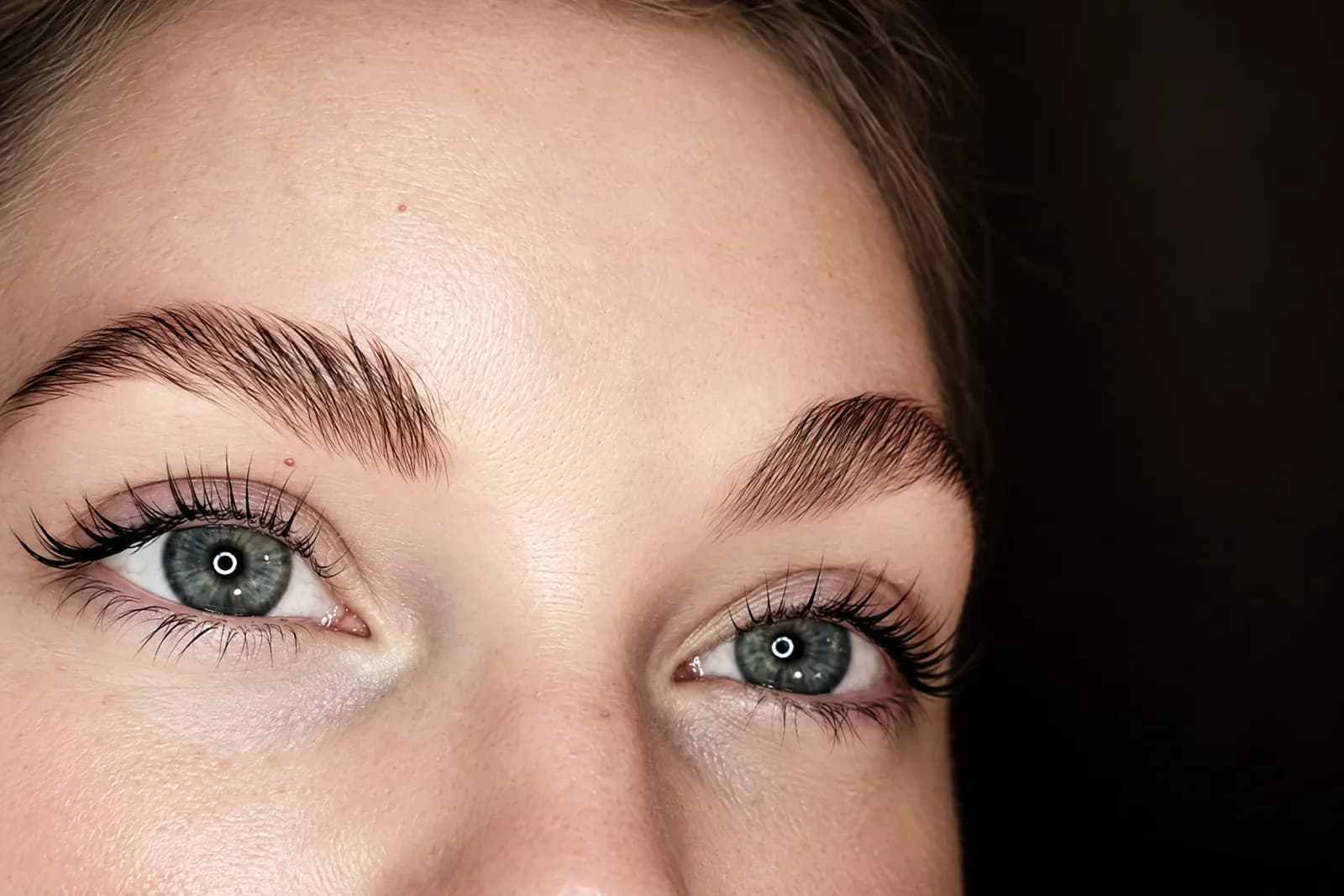
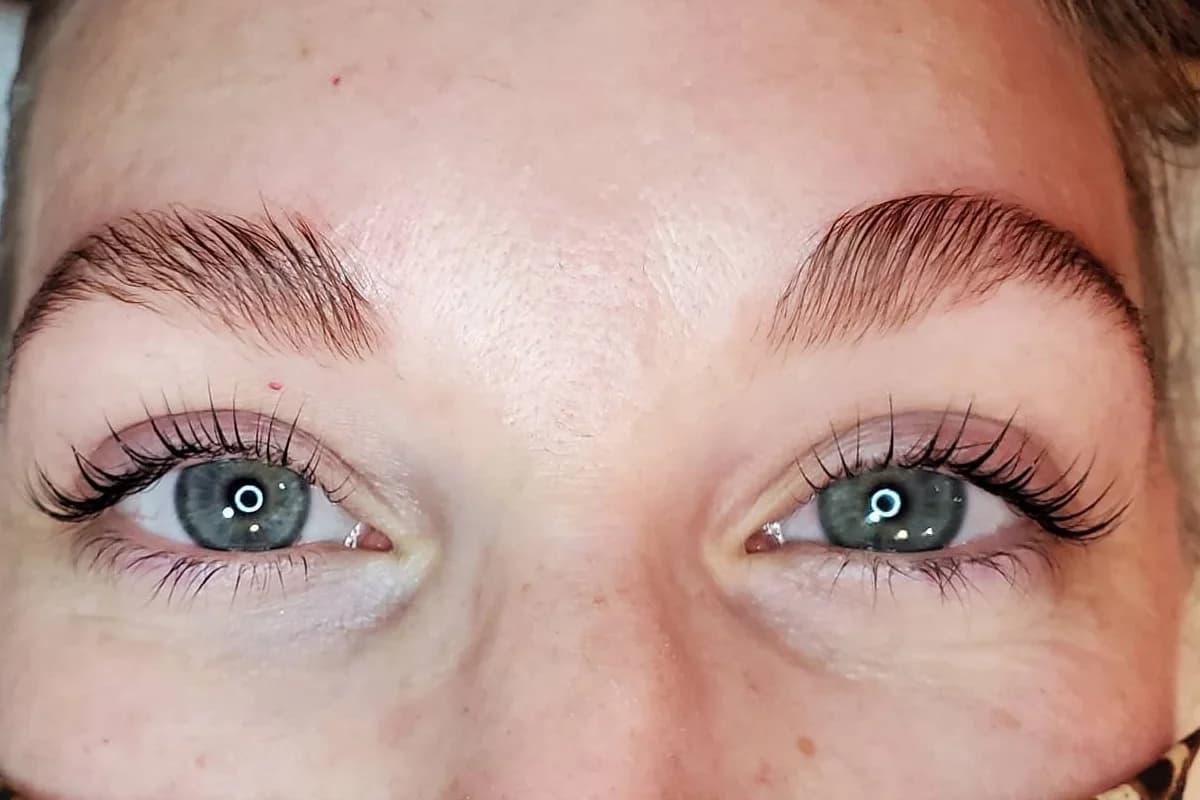
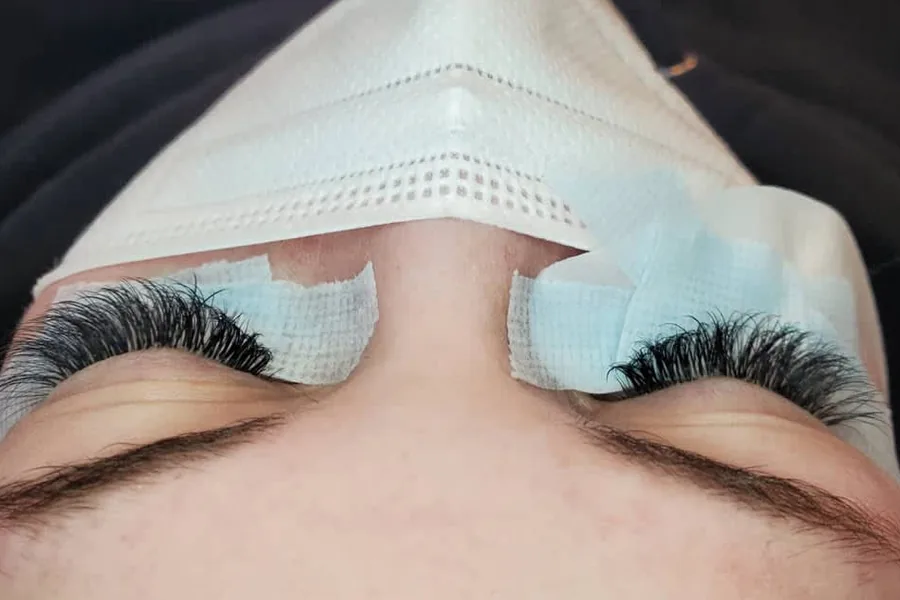
A clear photo can show where brow hairs appear lighter, where the outline is less distinct and how the brows look in that particular light. It cannot prove the natural hair color, product history, prior reactions, desired shade or how a tint will develop. Use the image to point to an area, not to automate the service decision.
- Image: apparent color, contrast, visible hair pattern and capture quality.
- Customer: desired intensity, daily routine, reference and reaction history.
- Desiree: color choice, shaping plan, product instructions and whether to proceed.
Quick answers
- Is brow tint better than eyebrow makeup?
- They solve different problems. Tint is useful when you want existing hairs to read darker or more even without daily application. Makeup gives you temporary control over color, edge and apparent fill. Choose from the result and flexibility you want.
- Does brow tint fill in gaps?
- Tint colors existing hairs and may leave temporary product color on the skin depending on the product, but it does not create new hair. Makeup can add temporary color between hairs. Ask Desiree what the current tint can realistically change on your brows.
- Does Brow Tint and Shape include shaping?
- Yes. The current Brow Shape and Tint appointment combines tint with shaping. If you want hair direction changed too, compare the lamination services rather than assuming tint performs the same job.
- Should I mention a past reaction to hair dye?
- Yes. Tell Desiree before the appointment if you have reacted to brow tint, lash tint or hair dye. Ask about the studio's current patch-test process rather than assuming a past product and the current product are interchangeable.
Who’s behind the answers
About the studio
Central Oasis is a lash and brow studio in Northeast Portland, led by Desiree, the lash and brow artist. Every service description in this diary quotes her own menu, word for word.
Book it
- Brow Shape and Tint$25 · 30 minutesBook Brow Shape and Tint (opens Square in a new tab)
- Brow Lamination and Tint$75 · 60 minutesBook Brow Lamination and Tint (opens Square in a new tab)
- Brow Lamination, Shape and Tint$85 · 75 minutesBook Brow Lamination, Shape and Tint (opens Square in a new tab)
Nothing is charged online; you pay at your visit.
Sources
- Matsushita S, Morikawa K, Mitsuzane S, Yamanami H (2015). Eye Shape Illusions Induced by Eyebrow Positions. Perception.A controlled image study about perceived eye size and inclination as eyebrow position changes; it does not select a brow color, shape or service for an individual.
- Kaiserman I (2003). Severe allergic blepharoconjunctivitis induced by a dye for eyelashes and eyebrows. Ocular Immunology and Inflammation.A case report supporting the possibility of ocular-surface irritation from lash and brow dye; it does not establish frequency or predict an individual reaction.
Know someone with the same question?