What can a normal phone photo show?
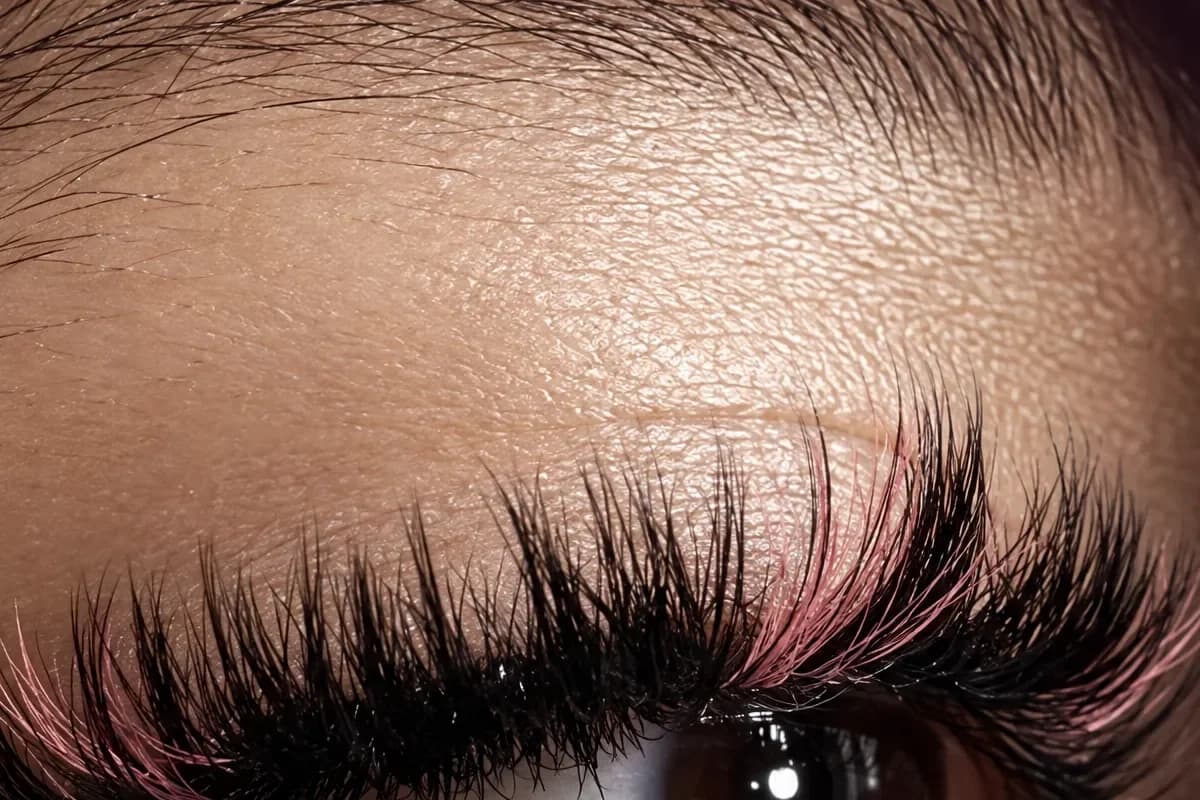
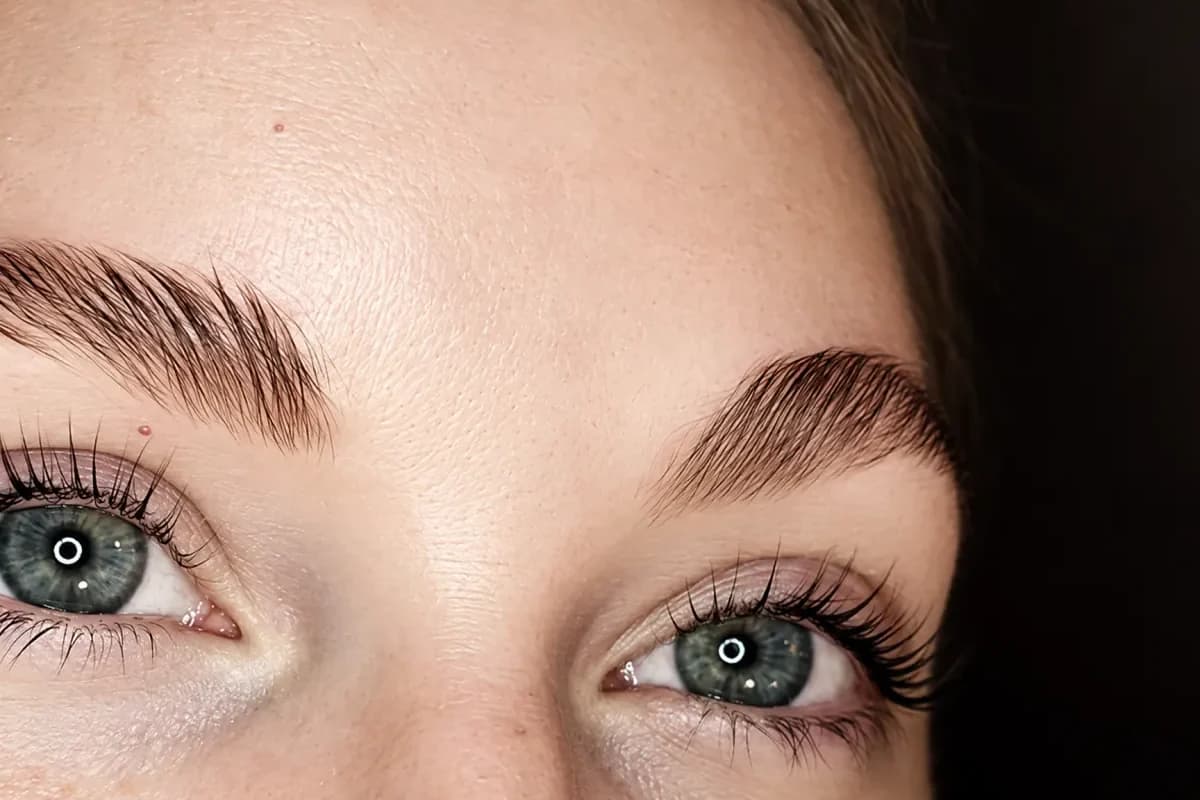
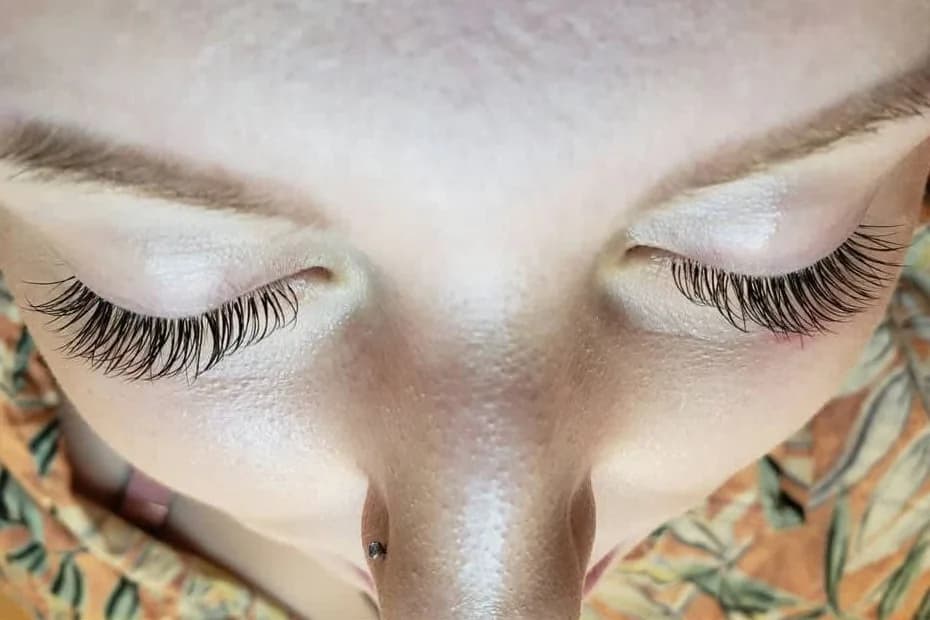
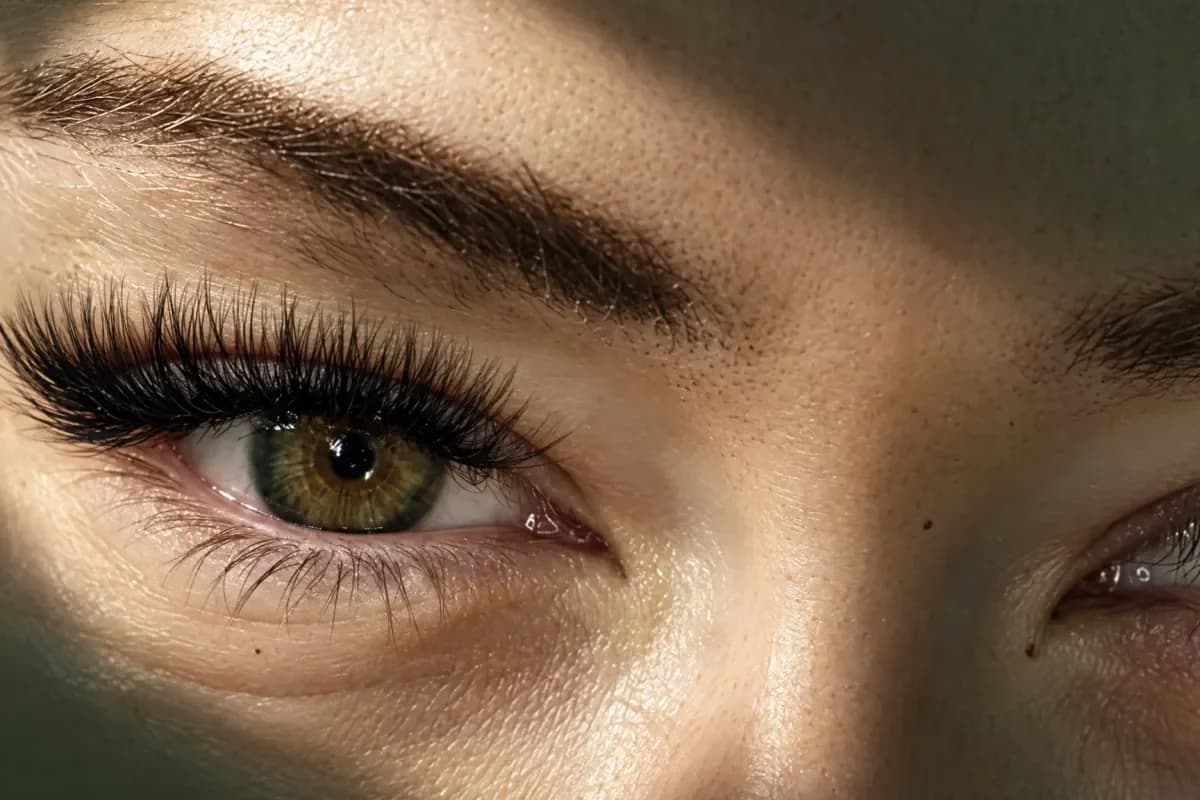
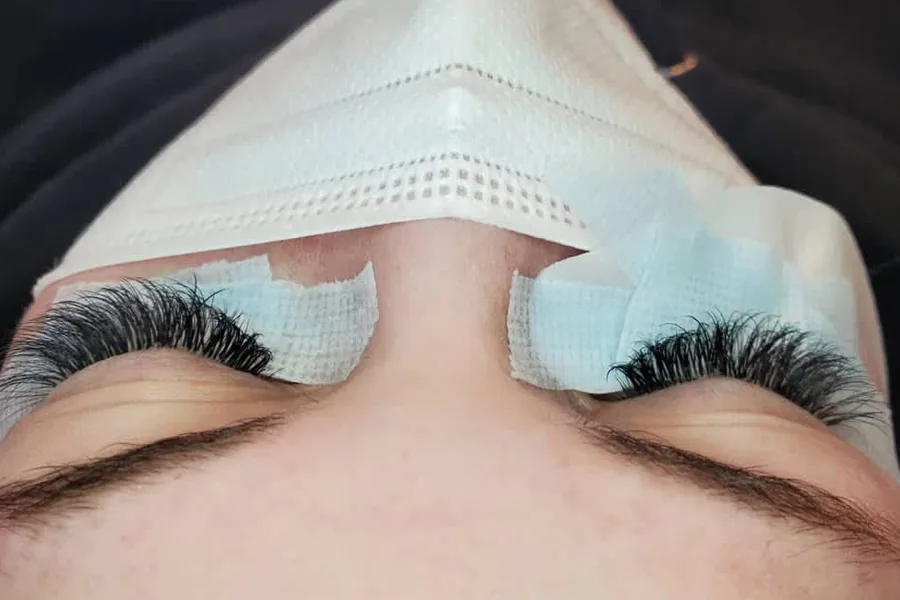
It can show the visible lash line in that frame: areas that look fuller or more open, obvious clumping, a difference between zones and whether the image is clear enough to inspect. Those are appearance observations. They are useful when the question is what the set looks like or where a visible change occurred.
A photo cannot see a follicle hidden by the lid, separate every overlapping fiber or tell whether a dark pixel is a natural lash, an extension, makeup or shadow. It also compresses a curved, three-dimensional eye area into a flat view. Calling the output “lash density” without defining the method makes the number sound more biological and stable than the image supports.
Visible coverage. Describe the fibers and gaps the quality-checked frame actually shows.
Matched comparison. Keep angle, light, focus and eye state similar before comparing frames.
Not follicle count. Hidden roots, overlap, makeup and extensions remain outside a phone-pixel claim.
When does an image become a measurement?
When the method defines the object, landmarks, scale, pose, calculation and repeatability. A brow study described computerized photogrammetry as reproducible and efficient for measuring brow position, while also noting that facial curvature complicates objective measurement and that no consensus method existed for that question (Naif-de-Andrade et al., 2012). That is a method finding about eyebrow position—not proof that any phone snapshot measures eyelashes.
The useful connection is that measurement is a protocol, not a model's confident wording. Before a result can be compared, the system needs to know whether the image passed its capture rules. If there is blur, heavy shadow, a cropped lash line, a changed angle or makeup covering the fibers, the honest output is a retry request or an abstention.
| Evidence level | Allowed wording | Not supported |
|---|---|---|
| One clear image | Visible coverage appears fuller in this zone | You have a specific follicle count |
| Matched images | This zone appears more or less covered under similar capture conditions | A biological loss or growth rate |
| Failed capture | The angle, focus or lighting prevents comparison | A forced score |
| Customer answer | You said you want a softer or fuller result | The camera inferred your taste |
Does published lash-density research make a phone estimate exact?
No. A study of Japanese participants reported central upper-eyelid lash density as a defined quantity (Kikuchi et al., 2015). That tells us density can be operationalized in research. It does not transfer the study's population measurement to a client, validate Central Oasis's phone capture or make visible extensions equivalent to natural lash density.
Extensions create another boundary: a finished set includes added fibers, fans, crossings and dark adhesive points. A visibly full extension line can contain fewer or more observable segments depending on styling and the photograph. The camera should therefore retain separate fields for natural-lash visibility, extension coverage, image quality and service state instead of collapsing them into one density score.
How do I take photos that are useful to compare?
- Use even front light and avoid a bright window or hard shadow on one side.
- Clean the lens, use the rear camera when practical and tap the lash line to focus.
- Take the same requested views at a similar distance, with the eyes in the same open or closed state.
- Record whether the image shows natural lashes, a fresh set, a fill stage, makeup or another product.
- Retake when the lash line is cropped, blurred, covered or too dark to inspect.
Matched images do not make the camera infallible; they reduce avoidable differences. See what we see uses close-ups to organize a booking suggestion, and Desiree confirms what the images cannot. If the capture cannot support a comparison, the useful result is a specific retry instruction rather than a decorative score.
Quick answers
- Can AI count my natural lashes from a phone photo?
- Not as a reliable follicle count from an ordinary image. Lashes overlap, some roots are hidden by the lid and extensions, makeup, shadow or blur can change what is visible. A system may describe visible coverage after a quality check, but it should not rename that observation as biological density or force a number when the frame is inadequate.
- Why does my lash line look fuller in one photo than another?
- Angle, distance, focus, light, pupil direction, whether the eye is open or closed and the presence of makeup can all change the visible line. Compare photos only when those conditions are reasonably similar. If they are not, keep both images as records but do not treat the apparent difference as a measured change.
- What does visible lash coverage mean?
- It means how much of a defined lash-line area appears occupied by visible fibers in a particular image. The phrase deliberately stays tied to the frame and its conditions. It does not mean follicle count, growth, health or a service recommendation. Those require different evidence or an explicit decision from the client and Desiree.

Who’s behind the answers
About the studio
Central Oasis is a lash and brow studio in Northeast Portland, led by Desiree, the lash and brow artist. Every service description in this diary quotes her own menu, word for word.
Book it
- Classic Lash Full Set$150 · 120 minutesBook Classic Lash Full Set (opens Square in a new tab)
- Hybrid Lash Full Set$170 · 150 minutesBook Hybrid Lash Full Set (opens Square in a new tab)
- Volume Lash Full Set$235 · 180 minutesBook Volume Lash Full Set (opens Square in a new tab)
- Mega Volume Lash Full Set$275 · 180 minutesBook Mega Volume Lash Full Set (opens Square in a new tab)
Nothing is charged online; you pay at your visit.
Sources
- Naif-de-Andrade NT, Hochman B, Naif-de-Andrade CZ, Ferreira LM (2012). Computerized photogrammetry used to calculate the brow position index.. Aesthetic Plastic Surgery.An eyebrow-position photogrammetry study; it shows that image measurement requires a defined method and does not validate ordinary phone-photo lash density.
- Kikuchi M, Matsuda K, Ishihara Y, et al. (2015). A study of normal eyelashes in Japanese individuals. Global Dermatology.A defined natural-lash measurement study in Japanese participants; its density result is not a validation set for phone images or extension wearers.
Know someone with the same question?