What does research actually say about lashes and age?
A study of healthy women reported that eyelash length and thickness were highest in its younger groups and lowest in its oldest group (Glaser et al., 2014). That is a group comparison, not a rule for every client. It does not show how much extension weight one person can support, which style she prefers or whether extensions are the right service.
A separate study of lower lashes found different age-related direction patterns by lid region (Procianoy et al., 2015). It measured lower-lid eyelashes, so it should not be transferred into an upper-extension recipe. Together, the studies support a modest conclusion: age can be relevant context, but direct observation of the actual lashes is still necessary.
Age label. It can surface the topic, but it cannot specify one person's lashes or taste.
What is visible. Coverage, direction, lid space and open-eye visibility are checked individually.
What matters to you. Desired effect, comfort and maintenance turn the observation into a useful brief.
What questions are better than “What is best for my age?”
| Question | Why it matters | What not to infer |
|---|---|---|
| What do you want to notice? | Separates length, lift, darkness, texture and open-eye visibility | That mature always means subtle |
| What do you want to avoid? | Sets a boundary around heaviness, drama, curl or maintenance | That the artist should guess your taste |
| What feels comfortable? | Makes comfort and prior experience part of the service conversation | That age alone predicts sensitivity |
| What upkeep fits? | Connects the result to realistic refresh preferences | That one construction lasts the same for everyone |
I want my lashes to look [soft / lifted / defined / fuller], especially with my eyes open. I want to avoid [too much length / too much darkness / a heavy outer corner]. My comfort and maintenance priorities are [briefly describe them].
If lid-fold visibility is part of the question, use lashes for hooded eyes to describe what remains visible with the eyes open. The label mature should not stand in for lid geometry, just as hooded should not stand in for age.
Are classic lashes always best for mature eyes?
No. Classic names an individual-extension construction family. It can produce clean, mascara-like definition, but visible fullness still depends on starting coverage, selected dimensions and the requested result. Hybrid or volume may be considered when a different texture or fullness route fits the goal and the lashes Desiree sees in person.
Compare what classic lashes are with classic, hybrid and volume. Do not use age to select the family automatically. The better sequence is desired finish, visible starting point, comfort and upkeep, followed by Desiree's technical confirmation.
- Soft is not the same as short: texture, separation and darkness also change the impression.
- Lifted is not one curl: open-eye visibility depends on the starting direction and lid space.
- Full is not one construction: starting coverage changes how classic, hybrid or volume reads.
- Age is not a limit: the agreed goal and actual lashes guide the plan.
How should AI handle a mature-eye photo?
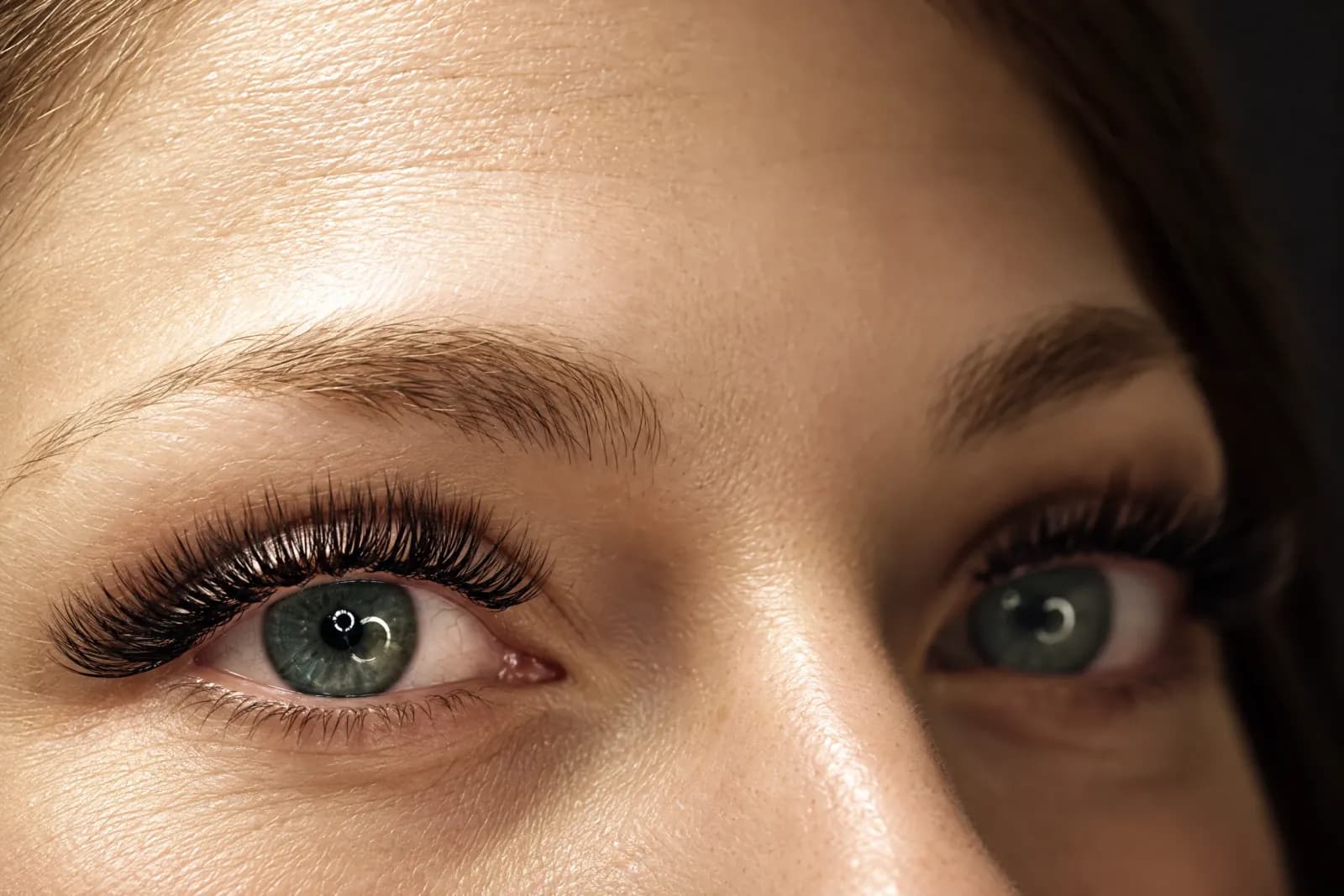
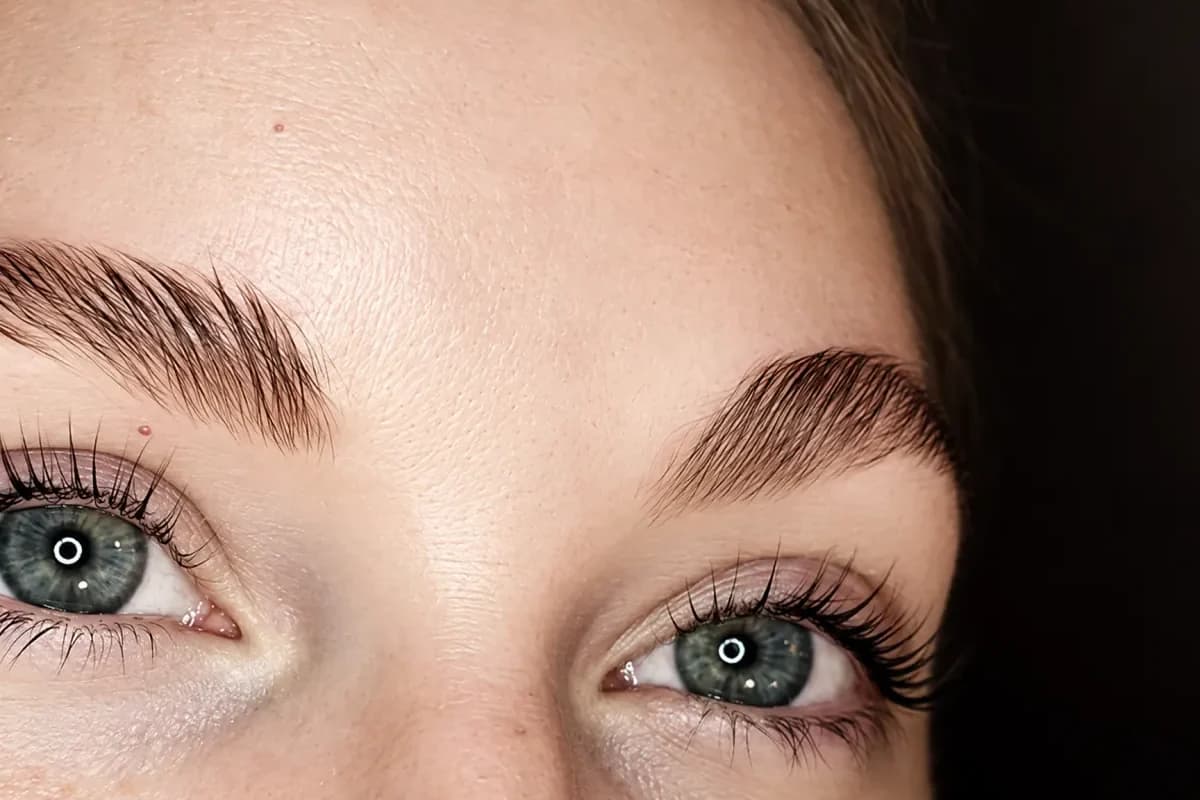
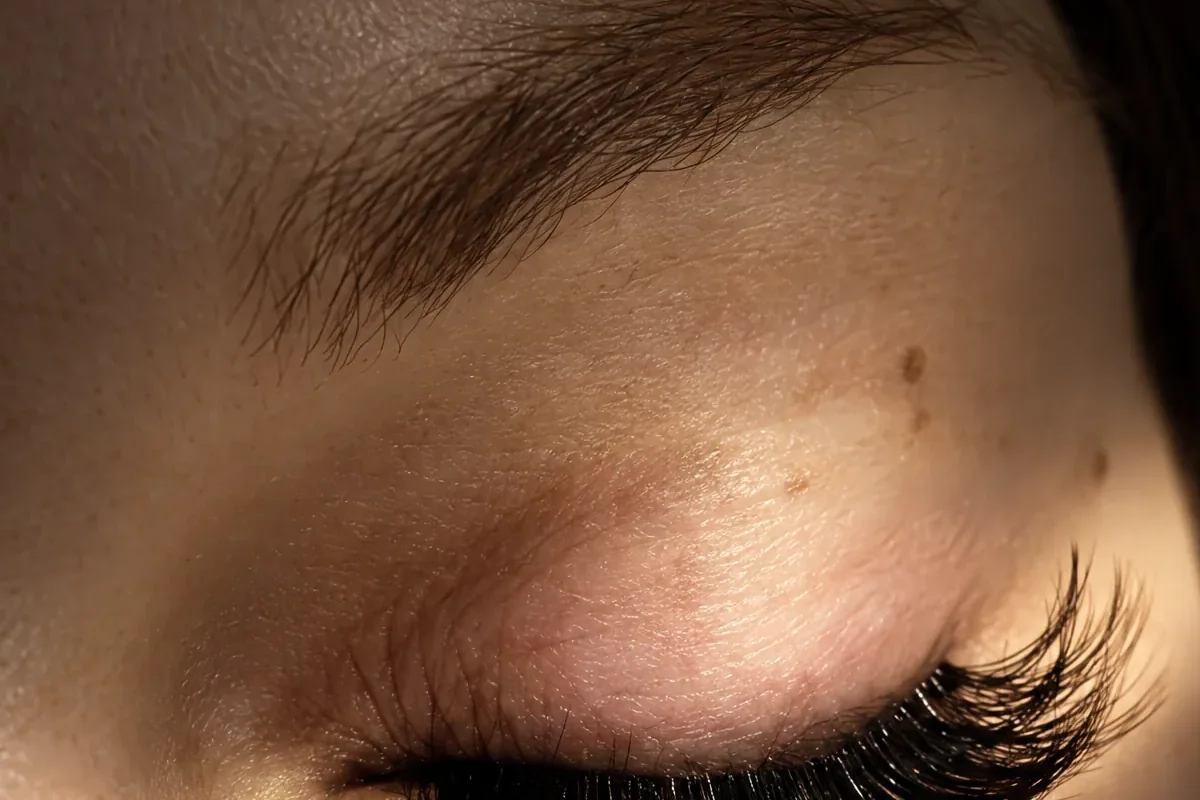
The camera should not estimate age or use an age label to recommend a map. A usable image can describe apparent natural-lash direction, visible coverage, crease or fold visibility, open-eye lash visibility and left-right differences under the actual capture conditions. It cannot inspect hidden roots, determine comfort or infer taste.
The AI overlay should retrieve relevant age research only with its population and transfer limits attached, then ask goal, comfort and upkeep questions. If the frame is unclear, it should abstain or request another view. Desiree confirms the lashes and service in person, which keeps the research informative without turning a group average into a personal verdict.
Quick answers
- What lash style is best for mature eyes?
- There is no age-based best style. Decide whether you want soft definition, more visible lift, added fullness or a darker lash line, then name what you want to avoid. Desiree checks natural-lash length, direction, coverage, lid space and comfort before choosing the construction and design.
- Are classic lashes better for older clients?
- Classic can be a good route to separated, mascara-like definition, but age does not make it automatically better. Starting coverage and the requested darkness, texture and maintenance matter. Desiree may discuss classic, hybrid or volume after checking the lashes and confirming the visible result you want.
- Should mature eyes use shorter lash extensions?
- Not as a blanket rule. Length is one part of the design and must be considered with natural-lash direction, visible lid space, curl, texture, comfort and the intended effect. Say whether you want subtle definition or more visible length; Desiree can confirm what is workable on your lashes.
- Can AI recommend lashes based on my age?
- It should not estimate age or assign a map from an age label. It can describe bounded visible features in a clear photo and ask what result, comfort and maintenance you prefer. Research averages stay labeled as population context. Desiree inspects the actual lashes and confirms the plan in person.
Who’s behind the answers
About the studio
Central Oasis is a lash and brow studio in Northeast Portland, led by Desiree, the lash and brow artist. Every service description in this diary quotes her own menu, word for word.
Book it
- Classic Lash Full Set$150 · 120 minutesBook Classic Lash Full Set (opens Square in a new tab)
- Hybrid Lash Full Set$170 · 150 minutesBook Hybrid Lash Full Set (opens Square in a new tab)
- Volume Lash Full Set$235 · 180 minutesBook Volume Lash Full Set (opens Square in a new tab)
- Mega Volume Lash Full Set$275 · 180 minutesBook Mega Volume Lash Full Set (opens Square in a new tab)
Nothing is charged online; you pay at your visit.
Sources
- Glaser DA, Jones D, Carruthers J, et al. (2014). Epidemiologic analysis of change in eyelash characteristics with increasing age in a population of healthy women. Dermatologic Surgery.A study of healthy women reporting group-level eyelash differences across age bands; it does not determine one person's lash capacity, service or preference.
- Procianoy F, Mendonça TB, Bins CA, Lang Mpl (2015). Characterization of Normal Mediolateral Angular Direction of Lower Eyelid Eyelashes in Different Age Groups. Ophthalmic Plastic and Reconstructive Surgery.A lower-eyelid direction study offering age context; its findings must not be converted into an upper-extension map.
Know someone with the same question?