What are the first three things to do?
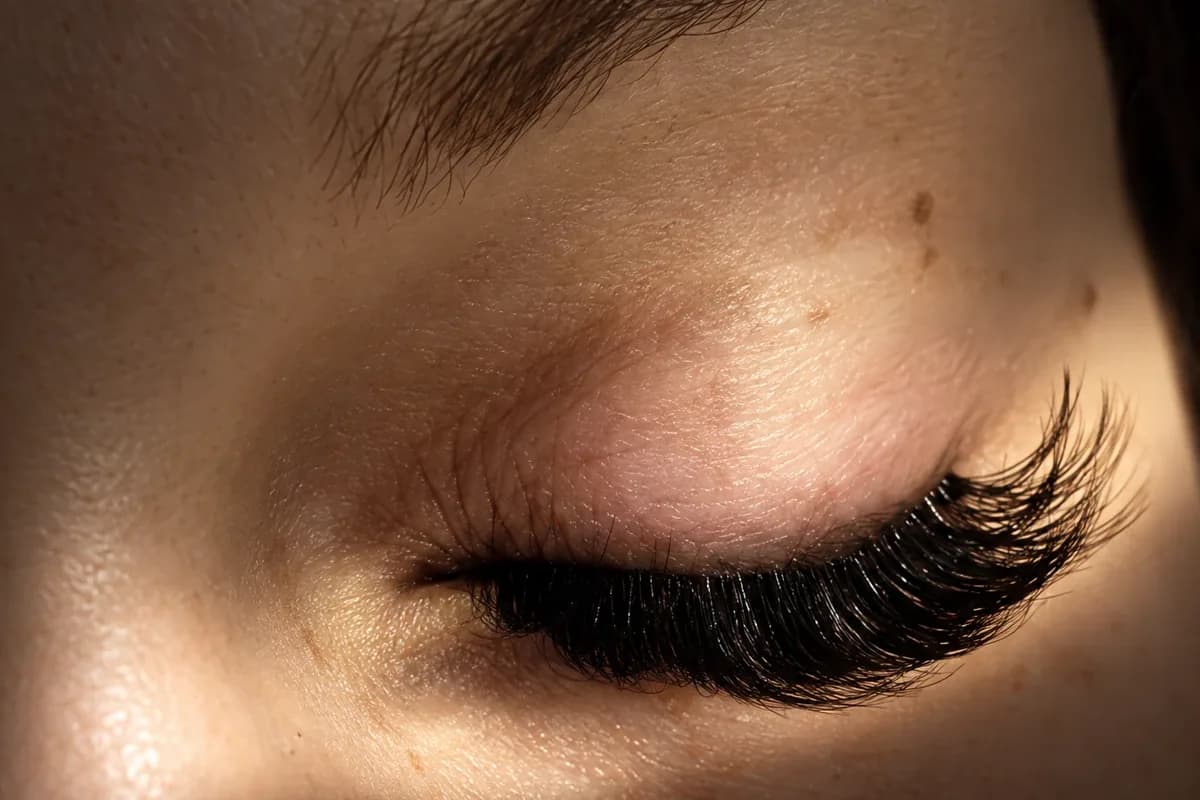
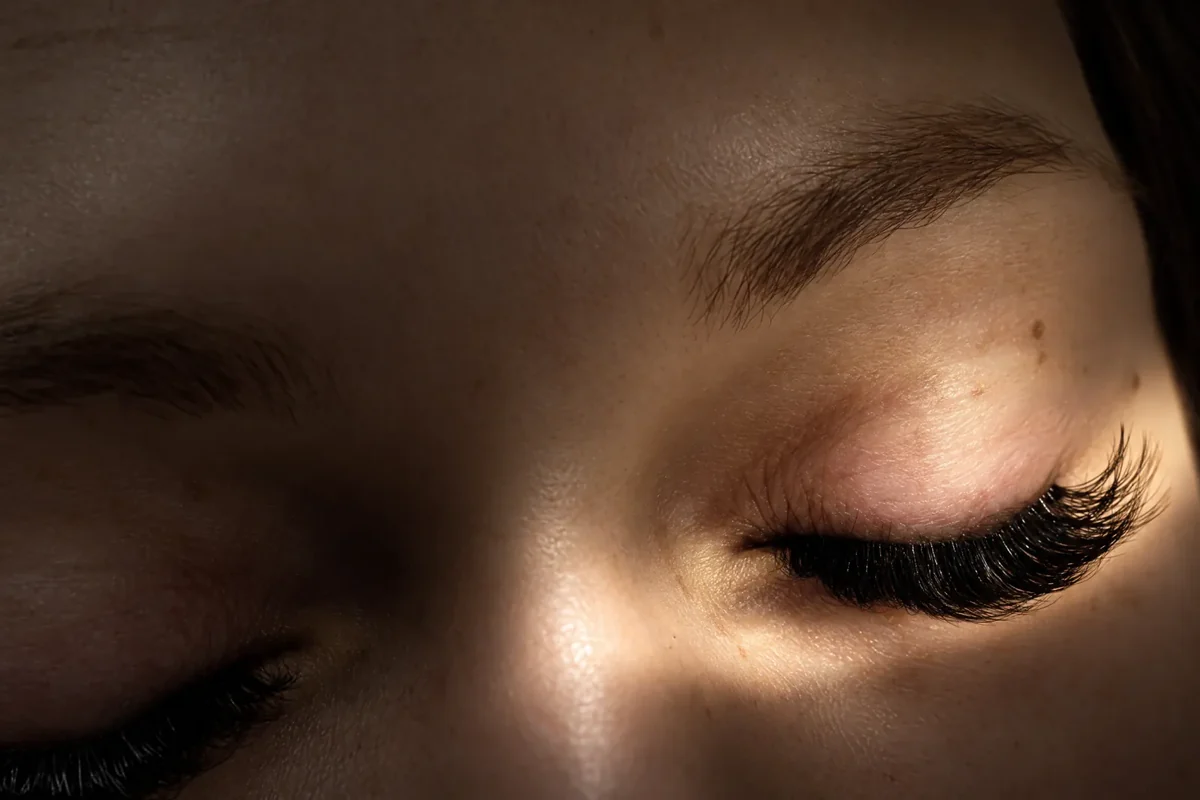
- Photograph both sides: use the same light, distance, angle and expression, with one open-eye view and one clear lash-line view if comfortable.
- Write the timeline: when the service happened, when you noticed the change and whether it appeared suddenly or gradually.
- Describe, do not interpret medically: say shorter, less full, more twisted, uncomfortable, red or puffy; add what you feel and what came away.
Notice. Compare both eyes in the same frame before naming the visible difference.
Document. Add timing, sensation, service context and any loose piece.
Review. Desiree confirms the salon next step; urgent symptoms go to medical care.
Do not pull or pick to create a clearer test. Removing more material changes the evidence and can make the area harder to assess. If you find a loose piece, place it on a plain background and photograph it. Note whether you can see a natural lash attached, but do not assume that one piece explains the rest of the set.
Could a visible change simply be natural shedding?
Natural lashes are continuously replaced. A review reported that humans typically lose and replace between 1 and 4 eyelashes daily (Sullivan et al., 2023). That makes some attached extension loss expected over time. It does not establish why a particular area changed, how much fullness should remain on a particular day or whether every loose piece represents normal shedding.
The distinction depends on evidence the photo may not contain. A fallen extension with a natural lash attached is different from an extension or fan without one. A set that looks less full on one side may reflect starting density, map, sleep and contact patterns, natural shedding, attachment behavior or another factor. The image can show the pattern; it cannot select the cause from that list.
| Record | Helpful detail | Do not conclude from it alone |
|---|---|---|
| Matched views | Both eyes, same light and angle | Why the difference occurred |
| Loose piece | Whether a natural lash appears attached | The cause of the whole-set pattern |
| Timeline | Service date and first noticed date | A product or technique failure |
| Sensation | Pain, itching, burning, tightness or none | A medical condition |
What if “off” includes redness, swelling, pain or itching?
Treat what you feel as its own input, even if the photo looks calm. A Japanese survey reported ocular hyperemia, pain and itchy swollen eyelids among problems named by extension users (Amano and Nishiwaki, 2013). That survey vocabulary shows why symptom questions matter. It does not identify your concern, the responsible exposure or how severe it is.
Contact Desiree so the service timing and known product context can be recorded. Active pain, marked or worsening swelling, light sensitivity, discharge, injury or any vision change needs prompt medical guidance. A salon follow-up and clinical care are not competing explanations: one documents the beauty-service context, while the other evaluates a health concern.
What happens after I contact Central Oasis?
Desiree needs the simplest complete packet: matched photos, service and timing, the area that looks different, what you feel, and any loose piece or known product context. She can compare your note with the booked service and decide the appropriate salon follow-up. This page does not invent a repair, refund or removal policy; the next step depends on what she can verify and what is safe to assess in a beauty setting.
If the AI wrote the first visible note, Desiree can accept, correct or reject that note in the private review flow. The customer's words remain separate from the model's observation. That correction may later help evaluate the system when the client has opted in, but it does not rewrite the original image or turn the review into a medical conclusion.
My service was [date and appointment]. I first noticed [specific visible change] on [date]. It feels [sensation or no discomfort]. I attached matched photos of both eyes and, if relevant, a photo of what came away. What should I do next?
Quick answers
- Should I remove lashes myself if one side looks wrong?
- Do not pull or pick at the set. Take matched photos, preserve any loose piece and contact Desiree with the timing and what you feel. Self-removal can change the pattern and add mechanical stress. If pain, marked swelling, light sensitivity or vision change is present, seek prompt medical guidance.
- Can a photo tell whether the problem was shedding or adhesive?
- Usually not by itself. A photo may show where coverage differs and a loose piece may show whether a natural lash appears attached. It cannot recover the full application, product, care and wear history or identify cause. Desiree needs the timeline and service context alongside the image.
- What photos are most useful for lash follow-up?
- Send both eyes in the same light, distance, angle and expression, plus a clear lash-line view if comfortable. Include one photo of any loose piece on a plain background. Avoid filters and do not manipulate the lashes for the picture. Add the service date, first-noticed date and sensations in words.

Who’s behind the answers
About the studio
Central Oasis is a lash and brow studio in Northeast Portland, led by Desiree, the lash and brow artist. Every service description in this diary quotes her own menu, word for word.
Book it
- Classic Lash Full Set$150 · 120 minutesBook Classic Lash Full Set (opens Square in a new tab)
- Hybrid Lash Full Set$170 · 150 minutesBook Hybrid Lash Full Set (opens Square in a new tab)
- Volume Lash Full Set$235 · 180 minutesBook Volume Lash Full Set (opens Square in a new tab)
- Mega Volume Lash Full Set$275 · 180 minutesBook Mega Volume Lash Full Set (opens Square in a new tab)
Nothing is charged online; you pay at your visit.
Sources
- Sullivan DA, da Costa AX, Del Duca E, et al. (2023). TFOS Lifestyle: Impact of cosmetics on the ocular surface. The ocular surface.A review supporting the typical daily natural-lash replacement range, not the cause or expected fullness of one extension set.
- Amano Y, Nishiwaki Y (2013). National survey on eyelash extensions and their related health problems. Japanese Journal of Hygiene.A self-reported survey supporting the symptom vocabulary used for follow-up, not a medical conclusion, cause, severity judgment or Portland rate.
Know someone with the same question?