What does a lash map actually control?
A lash map is a working plan across zones of the lash line. It can mark relative lengths, transitions and where an effect should rise or soften. It does not specify every variable in a finished set. Curl, fiber choice, attachment, direction, fullness and the natural lashes available in each zone still shape the result.
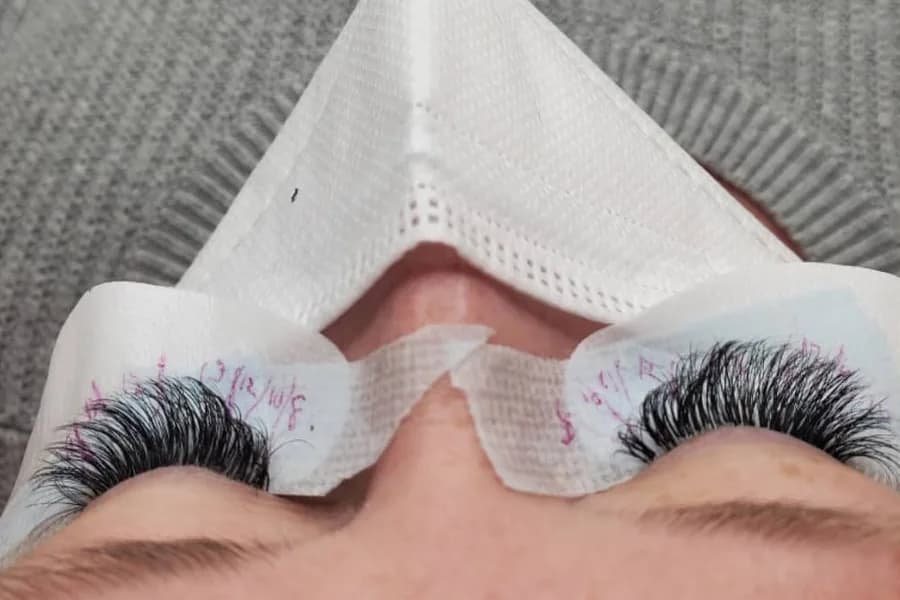
That is why copying numbers from a reference photo is not the same as copying the look. The reference shows one person's finished outline from one angle. It does not reveal the starting direction of every natural lash, the spacing underneath or the exact application decisions that produced it. Desiree can use the reference as a visual brief, but the map has to be translated onto the lash line in front of her.
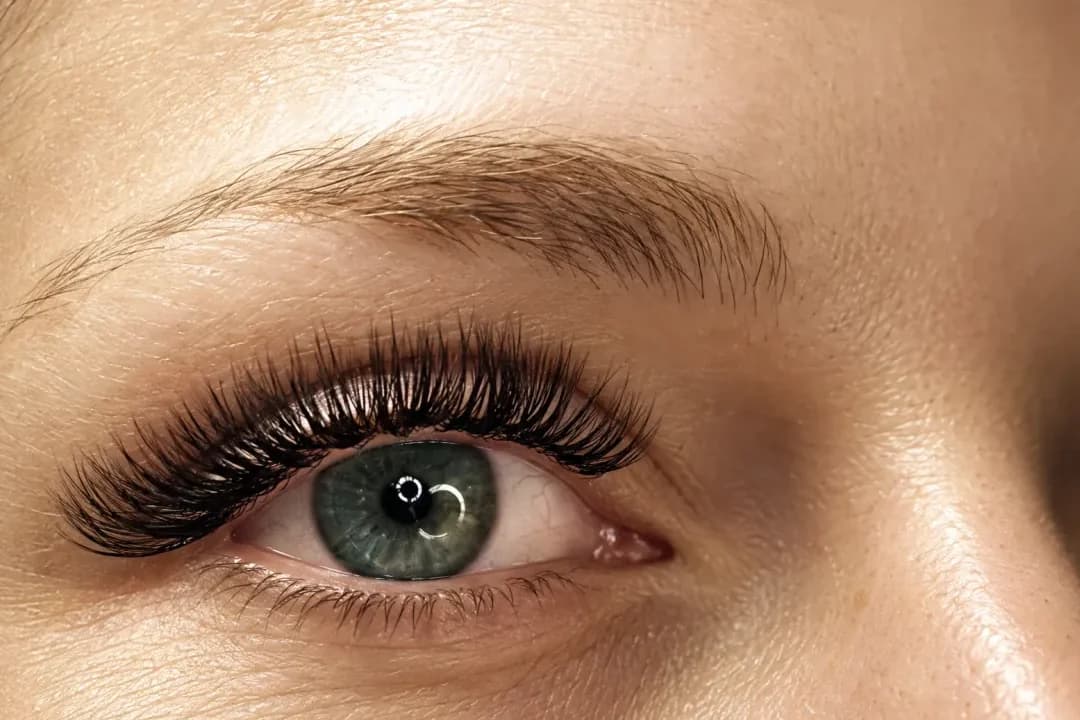
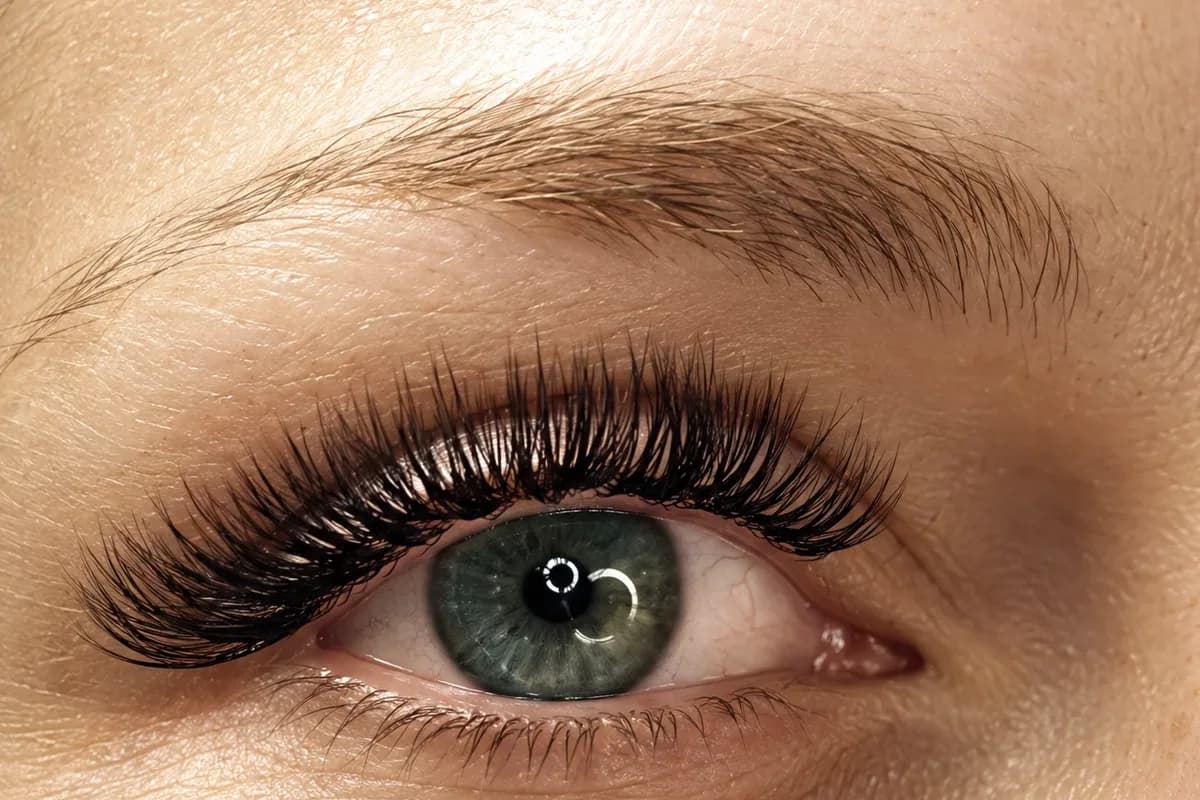
Same written map. Zones and transitions describe the plan, not a duplicate finished outline.
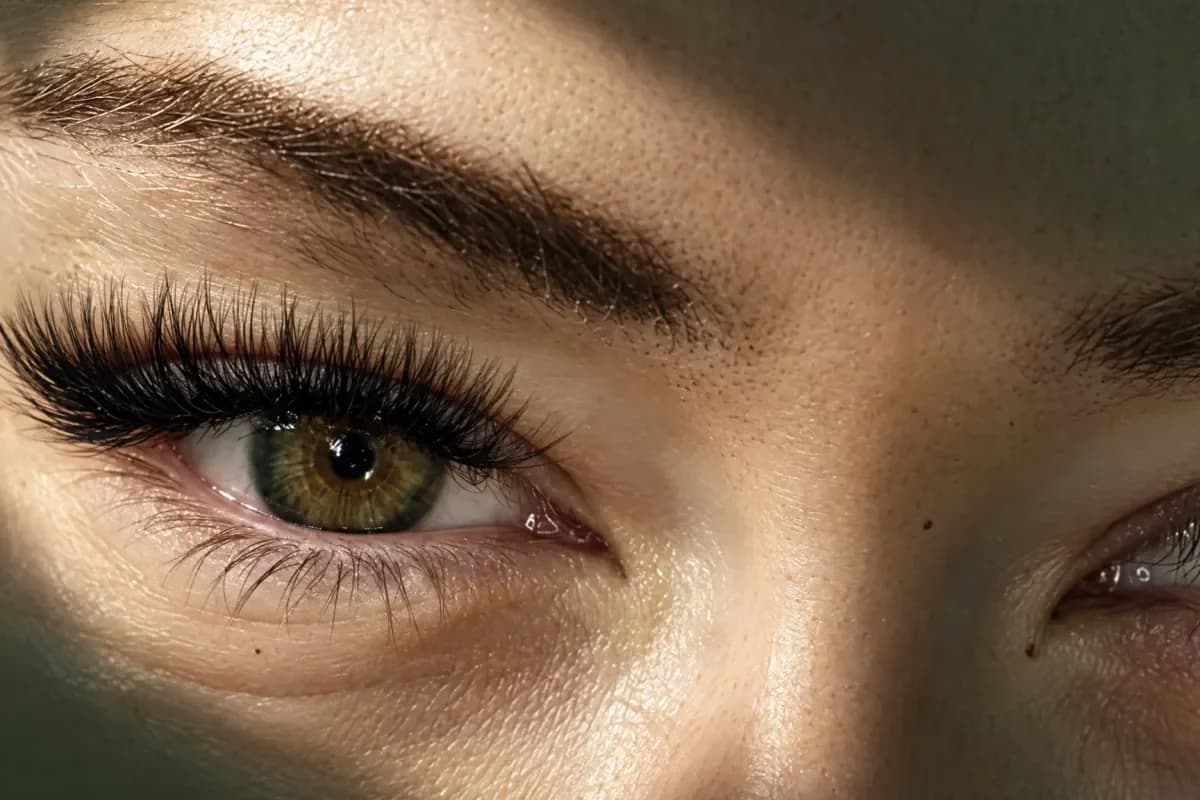
Different start. Direction, spacing and visible coverage change how that plan reads.
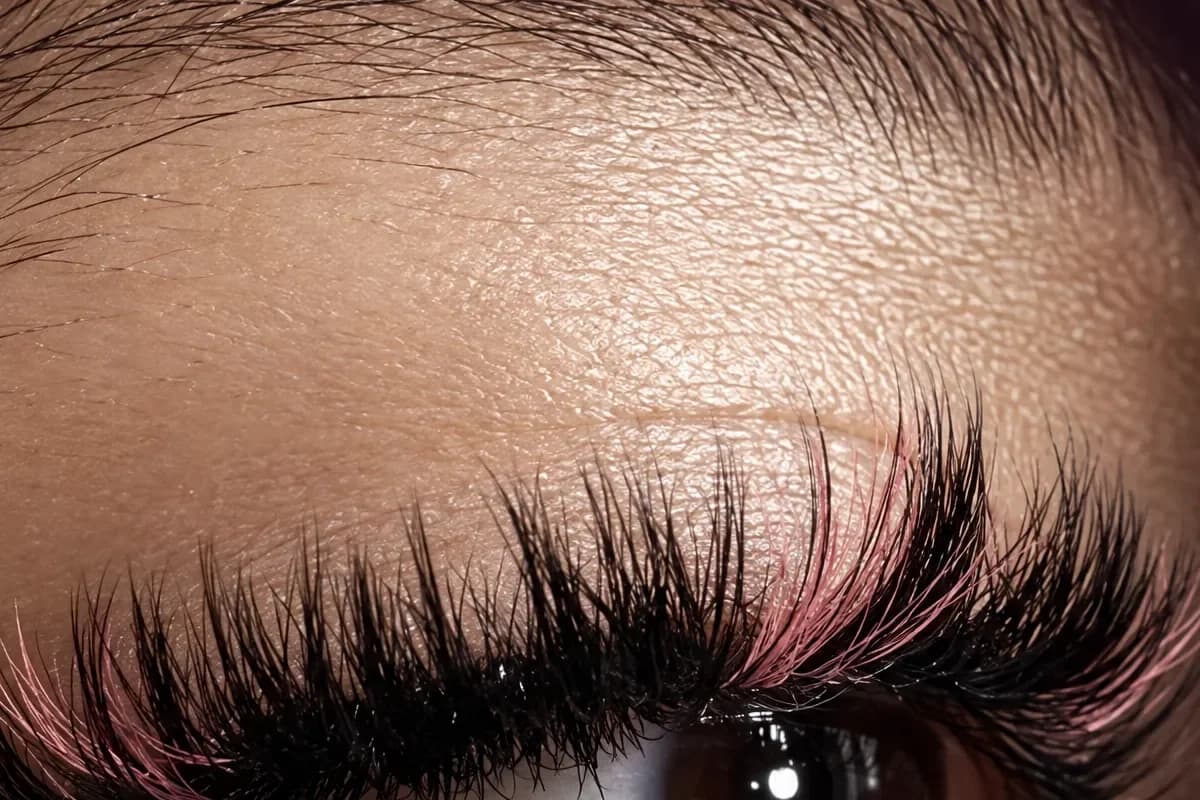
Stated goal. The customer names the effect and boundary; the photo does not infer taste.
Which starting differences can change the visible result?
Direction and visible density are two separate observations. A study of Japanese participants reported measured upper-eyelid lash angle and central density, showing that researchers treat those as distinct lash characteristics (Kikuchi et al., 2015). It was a population study, not an extension trial, and its group results cannot predict one client or set a design rule for another population.
- Direction. Lashes that begin straighter, more upward or in mixed directions can make the same added curl read differently.
- Visible density and spacing. A map says where a length goes; it does not create the same number of available attachment points in every zone.
- Open-eye geometry. Lid position, brow position and the angle of the photograph change the outline a viewer sees.
- Current set condition. A fresh full set, a partial set and a grown-out set are not equivalent starting frames.
Can the starting lashes tell us what someone will like?
Not for an individual. A study of Korean women found that cosmetic preference patterns were strongly associated with natural eyelash shape (Kwak et al., 2002). That finding is useful because it connects starting structure and desired effect in the same research question. It does not mean shape determines taste, and it did not test extension maps, Portland clients or Central Oasis recommendations.
For the camera process, the right transfer is procedural: observe the visible structure, then ask the goal. Do not turn a correlation in a study group into a personal prediction. A person with similar-looking lashes may want a subtle lift, a dark full line, visible texture or no service at all. Their answer outranks an image-based guess.
| Field | What belongs there | What does not |
|---|---|---|
| Visible observation | Direction, spacing and what the photo clearly shows | Identity, cause or personality |
| Map | Planned zones, transitions and relative effects | A promise to duplicate a reference |
| Stated goal | The finish, boundary and maintenance the person states | A preference inferred from appearance |
| Practitioner decision | What Desiree can responsibly build on that lash line | An automatic result from one score |
How should I use a lash map or reference photo?
Point to visible features instead of asking for an exact copy. Say where you like the longest-looking area, whether the line feels lifted or elongated, how much texture you want and what would feel too dark or too long. If you know the map, bring it, but bring the reason you liked it too.
Matched close-ups help when they are clear and taken at similar angles. They let the camera and Desiree describe what is visible without pretending a flat image contains every measurement. See what we see can organize the starting observations and suggest what to book; Desiree confirms the design at the visit.
I like where this reference looks longest and how softly it transitions. On me, I want [softer/darker/more textured], and I do not want [boundary]. Please adapt the idea to my starting lashes rather than copying the numbers.
Quick answers
- Will the same lash map create the same result on everyone?
- No. The map organizes planned lengths or effects by zone, but natural lash direction, visible density, spacing, eye-area geometry and application choices remain different. Use the same map as a starting plan, not a duplicate-result promise. Desiree adapts the plan after seeing the lash line and hearing the client's goal.
- Can a lash photo show which map will suit me?
- A clear photo can show visible structure that may affect how a map reads, but it cannot establish your preference or promise a finished result. Pair the image with a stated goal: the effect you like, your boundary and how much maintenance you want. Desiree makes the final design decision at the visit.
- What should I say when I bring a lash reference photo?
- Name the exact features you like: where the longest-looking area sits, how dark the base appears, whether the top line is clean or textured and what would feel excessive. That gives Desiree a usable brief. The reference remains an example, because its starting lashes, camera angle and application details are not yours.
Who’s behind the answers
About the studio
Central Oasis is a lash and brow studio in Northeast Portland, led by Desiree, the lash and brow artist. Every service description in this diary quotes her own menu, word for word.
Book it
- Classic Lash Full Set$150 · 120 minutesBook Classic Lash Full Set (opens Square in a new tab)
- Hybrid Lash Full Set$170 · 150 minutesBook Hybrid Lash Full Set (opens Square in a new tab)
- Volume Lash Full Set$235 · 180 minutesBook Volume Lash Full Set (opens Square in a new tab)
- Mega Volume Lash Full Set$275 · 180 minutesBook Mega Volume Lash Full Set (opens Square in a new tab)
Nothing is charged online; you pay at your visit.
Sources
- Kikuchi M, Matsuda K, Ishihara Y, et al. (2015). A study of normal eyelashes in Japanese individuals. Global Dermatology.A measurement study of Japanese participants; its group findings describe natural lashes and do not test extension maps or individual outcomes.
- Kwak T-J, Lee S-M, Cho W-G (2002). The character of eyelashes and the choice of mascara in Korean women.. Skin Research and Technology.A Korean mascara-preference study; it supports keeping starting lash shape and desired effect connected, not predicting one person's taste or an extension outcome.
Know someone with the same question?