How can retention be good while a set looks less full?
A lash line is not a fixed row of identical hairs. Natural lashes are at different points in a long cycle, and they do not all shed together. A review reports a complete eyelash cycle of about 4 to 11 months (Aumond and Bitton, 2018). An international cosmetics report says people typically lose and replace 1 to 4 eyelashes daily (Sullivan et al., 2023). Those population ranges explain staggered change; they do not predict one person's fill date.
As attached natural lashes shed, their extensions leave with them. Other extensions remain but grow farther from the lash line, and new natural lashes appear without extensions. The set may therefore keep many bonds while the visible line becomes more open, uneven or less dark.
What remains. Retention concerns extensions that remain attached as time passes.
What is visible. Fullness describes apparent coverage, darkness and continuity at one moment.
What explains it. Dates, matched views, loose pieces and an in-person review help interpret change.
What should you track instead of one retention percentage?
| Field | Useful record | What it cannot prove alone |
|---|---|---|
| Timing | Full-set or fill date, plus the day you noticed a change | Why the change happened |
| Location | Outer corner, inner corner, one side or the whole line | Whether the cause is application, sleep, shedding or something else |
| What came away | Loose extension or fan, with or without a visible natural lash | The health of the remaining lashes |
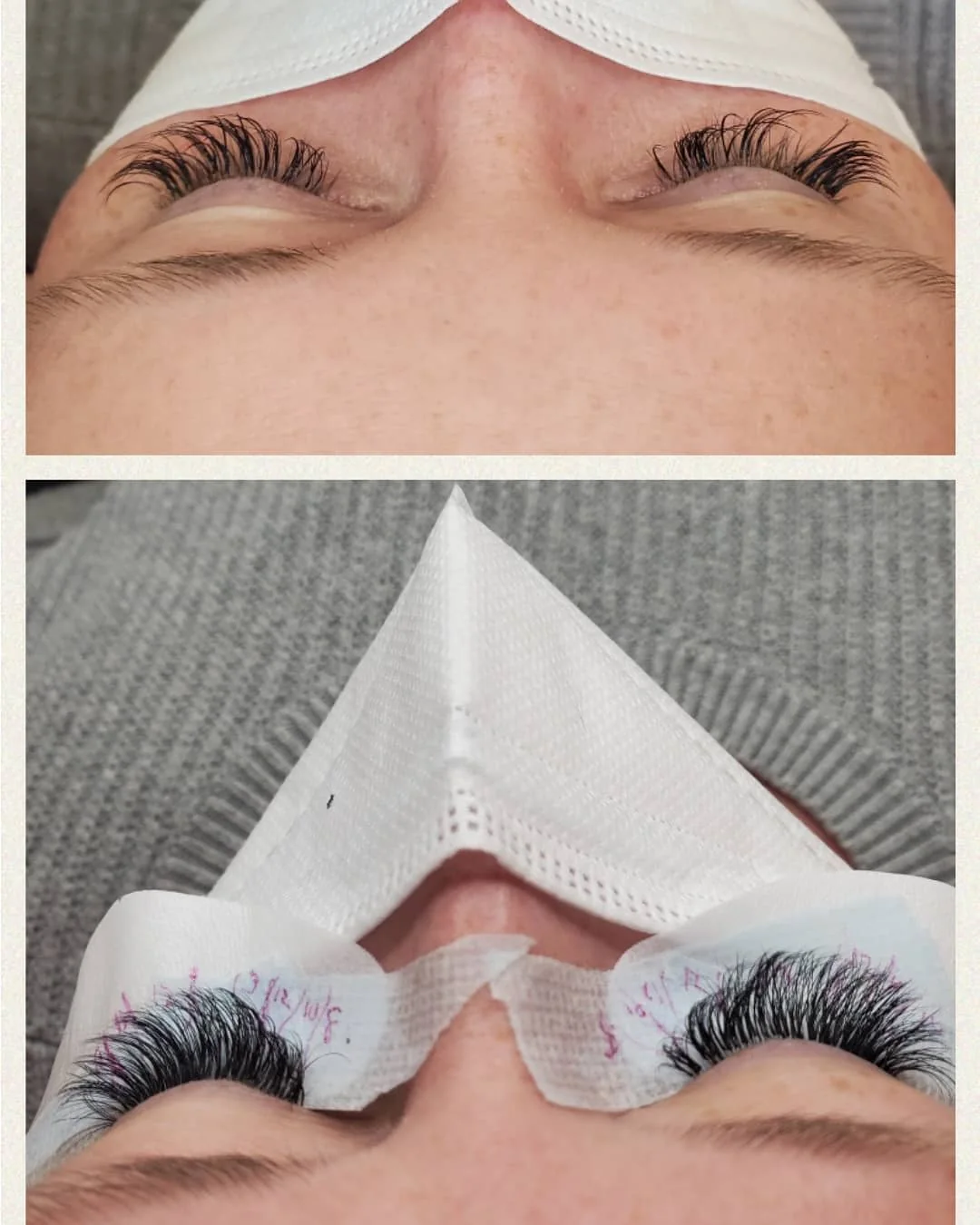
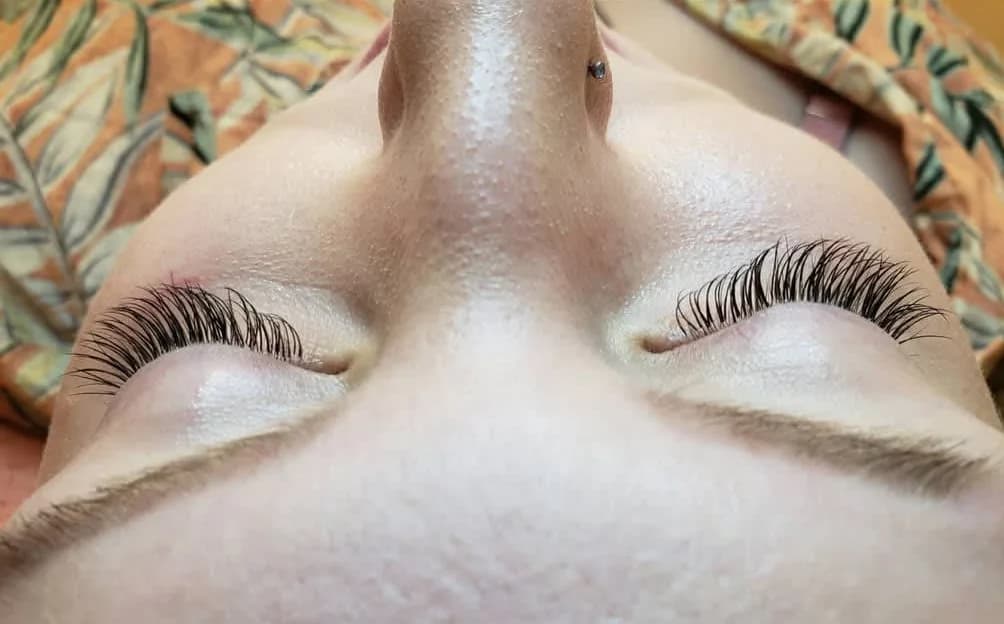
| Visible fullness | Matched open- and closed-eye photos in similar light | An exact count of attachments or bond strength |
This is why “I lost 50 percent” is usually weaker than a dated pair of clear photos. The percentage may mix attachment loss with normal shedding, growth, image angle and the point at which the wearer personally notices sparseness. The photos still need context, but they give Desiree a consistent visible record.
My last appointment was [date]. I first noticed the set looking lighter on [date], mostly at [location]. These photos use similar light and angle. The loose pieces I noticed [did / did not / sometimes did] have a natural lash attached.
Does less fullness mean you need a new full set?
Not automatically. A workable existing set may fit a fill, while a new start or too little workable coverage may call for a full set. The current menu has different routes for a quick top-up, a two-week refresh and a longer two-to-three-week appointment. Use fill versus full set for the booking decision.
If the issue is the calendar, read how often to get a lash fill. If the change happened within a week, use first-week fallout. If one eye changed much faster, use one-eye fallout. Those pages collect different facts instead of forcing every concern into one retention label.
What can the lash camera contribute?
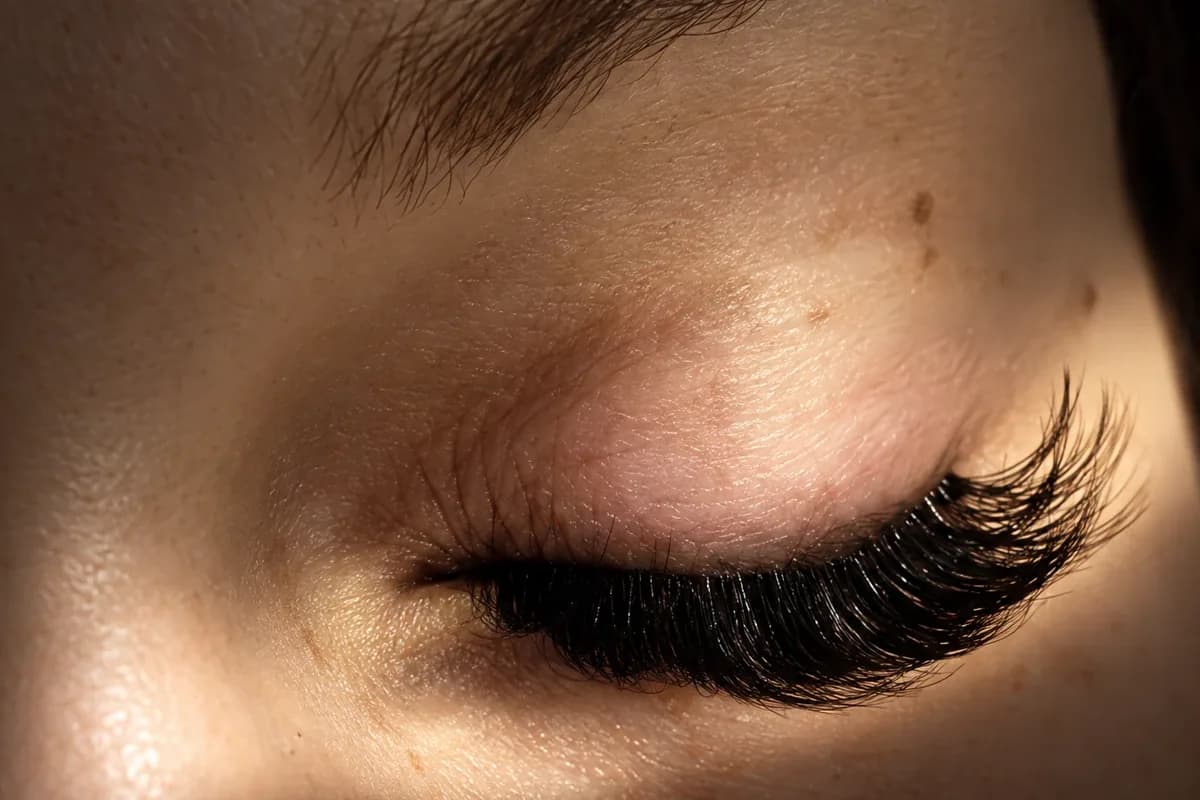
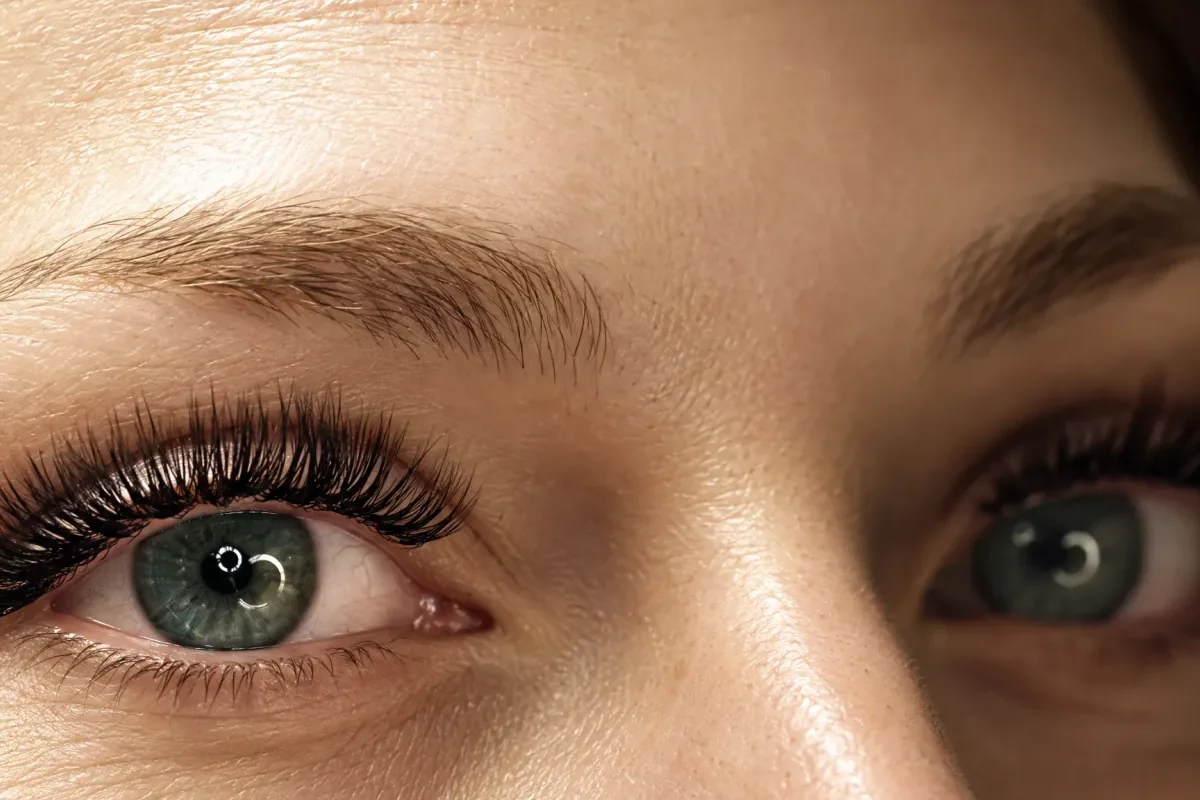
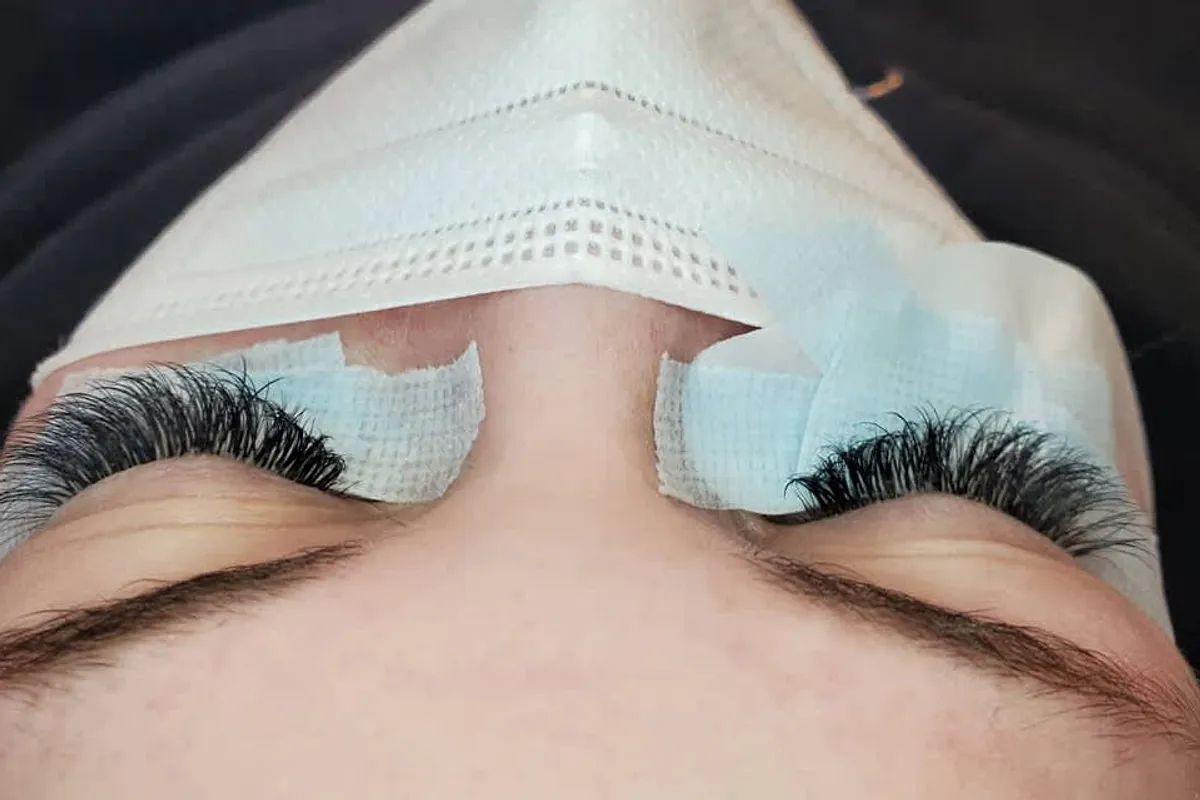
Matched close-ups can help describe apparent coverage, visible gaps, asymmetry and image quality. They cannot count invisible bonds, recover the service history or determine why a change occurred. The useful AI behavior is to retrieve the right follow-up questions, compare only like views, preserve uncertainty and stop when the image is not clear enough.
- Observable now: where the line appears lighter and whether the two views are comparable.
- Needed from you: dates, comfort, service history, aftercare context and what came away.
- Needed from Desiree: inspection of the remaining set and the appropriate next appointment.
Quick answers
- What does lash retention mean?
- Retention describes what remains attached over time. It is not identical to how full the set looks, and a photo cannot measure every attachment. Use dates, matched photos, location and what came away so Desiree can review the pattern.
- Why do my lashes look sparse if extensions are still attached?
- Natural lashes shed and grow at different times. Remaining extensions can move farther from the lash line while new bare lashes appear, so the visible line can become more open even though many extensions remain. Design and starting coverage also affect fullness.
- Does a lash gap mean bad retention?
- It shows a visible change worth recording, but it does not identify the cause. Note the timing and location, save any loose pieces and send matched photos. Contact Desiree when a gap is sudden, localized or concerning.
- Can AI calculate my lash retention from a photo?
- Not reliably from one photo. A clear matched series can describe apparent coverage and location, but it cannot see every attachment, recover the original set or prove why change occurred. Desiree reviews the images with the history you provide.

Who’s behind the answers
About the studio
Central Oasis is a lash and brow studio in Northeast Portland, led by Desiree, the lash and brow artist. Every service description in this diary quotes her own menu, word for word.
Book it
- Classic Lash Fill (60 min)$55 · 60 minutesBook Classic Lash Fill (60 min) (opens Square in a new tab)
- Hybrid Lash Fill (90 min)$110 · 90 minutesBook Hybrid Lash Fill (90 min) (opens Square in a new tab)
- Classic Lash Full Set$150 · 120 minutesBook Classic Lash Full Set (opens Square in a new tab)
- Hybrid Lash Full Set$170 · 150 minutesBook Hybrid Lash Full Set (opens Square in a new tab)
- Volume Lash Full Set$235 · 180 minutesBook Volume Lash Full Set (opens Square in a new tab)
- Mega Volume Lash Full Set$275 · 180 minutesBook Mega Volume Lash Full Set (opens Square in a new tab)
Nothing is charged online; you pay at your visit.
Sources
- Aumond S, Bitton E (2018). The eyelash follicle features and anomalies: A review. Journal of Optometry.A review of natural-eyelash biology supporting the complete cycle range; it does not predict one person's shedding, visible fullness or fill timing.
- Sullivan DA, da Costa AX, Del Duca E, et al. (2023). TFOS Lifestyle: Impact of cosmetics on the ocular surface. The Ocular Surface.An international report supporting typical daily natural-lash loss and replacement; it does not define poor extension retention or a personal rate.
Know someone with the same question?