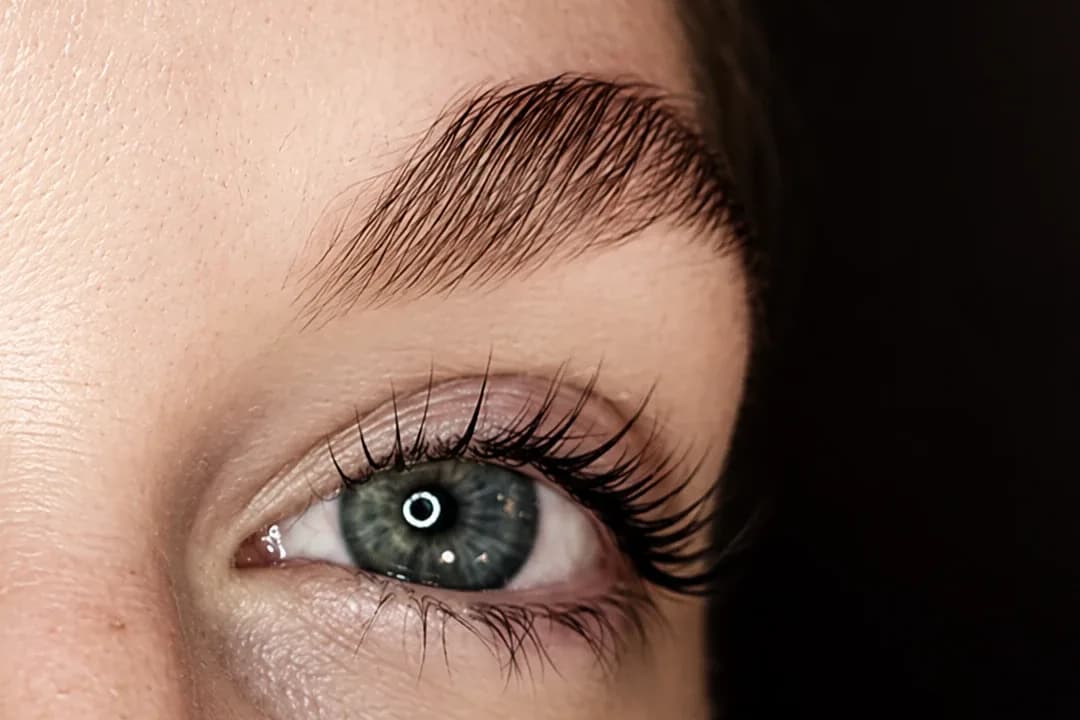
Are monolids and hooded eyes the same?
No. In everyday beauty language, monolid usually means there is no clearly visible upper-lid crease when the eyes are open. Hooded usually means a crease is present but an upper-lid fold covers some of it. Those are useful starting descriptions, not medical classifications or instructions for one lash map.
Real eyelids also refuse a neat two-box chart. In one published observation, 319 of 397 people described as having double eyelids also had an additional fold between the crease and lid margin (程喜平, 2003). That study does not define every lid or test lash services. It does show why crease, fold and visible lash space should be recorded separately instead of collapsed into one label.
A later surgical review focused on men describes the upper lid-brow junction as anatomically complex, with interconnected age-related changes (Warren, 2022). It does not study monolids or lash services, so it cannot choose a style. Its useful transfer is narrower: one visible crease label cannot stand in for the whole lid-brow relationship.
What can a lash photo actually show?
Visible relation. Record crease, fold and lash-line visibility only under the actual capture conditions.
Customer's words. Monolid, hooded or neither stays self-described; the camera does not infer identity.
Desired result. The customer names the open-eye effect, and Desiree confirms the service plan.
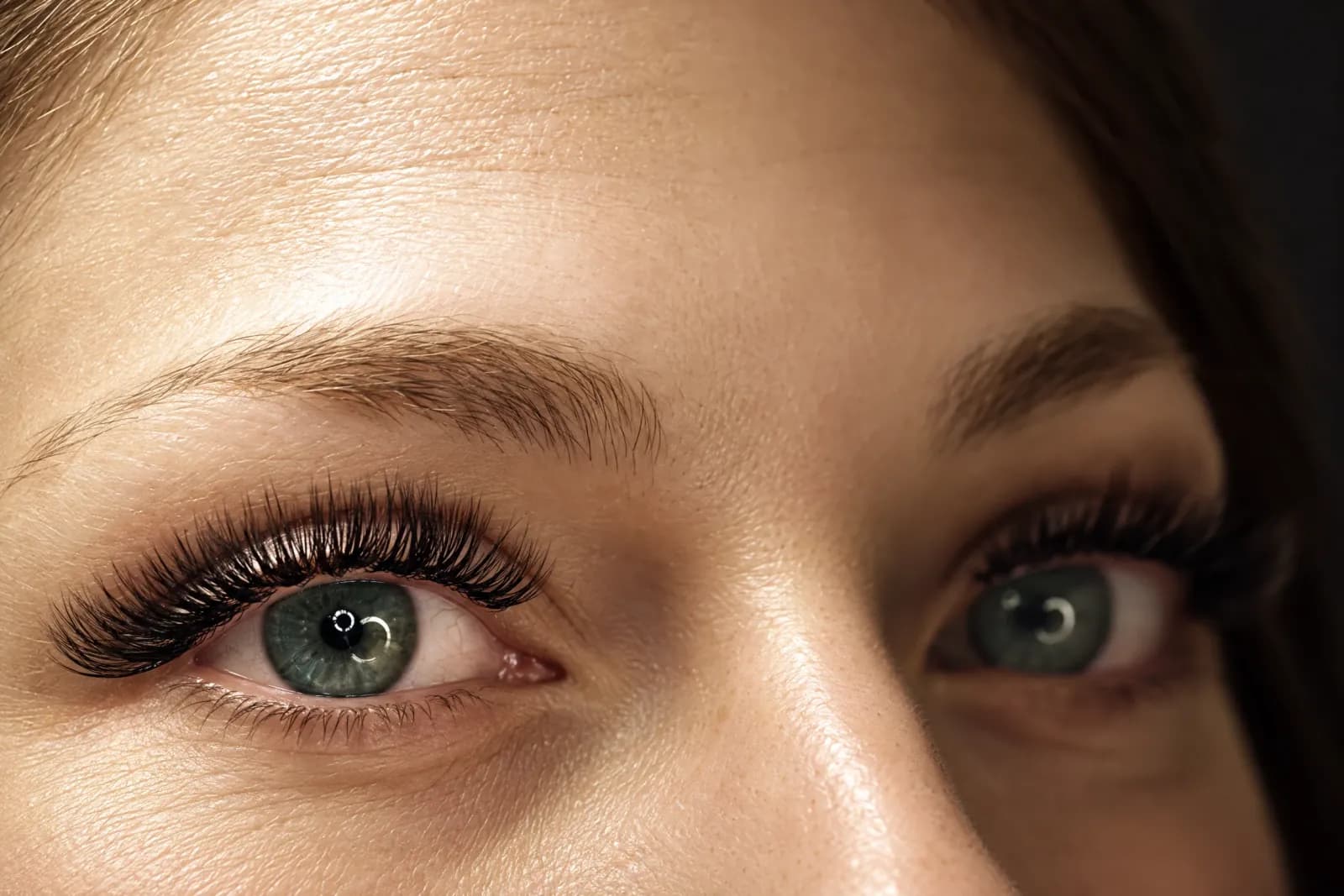
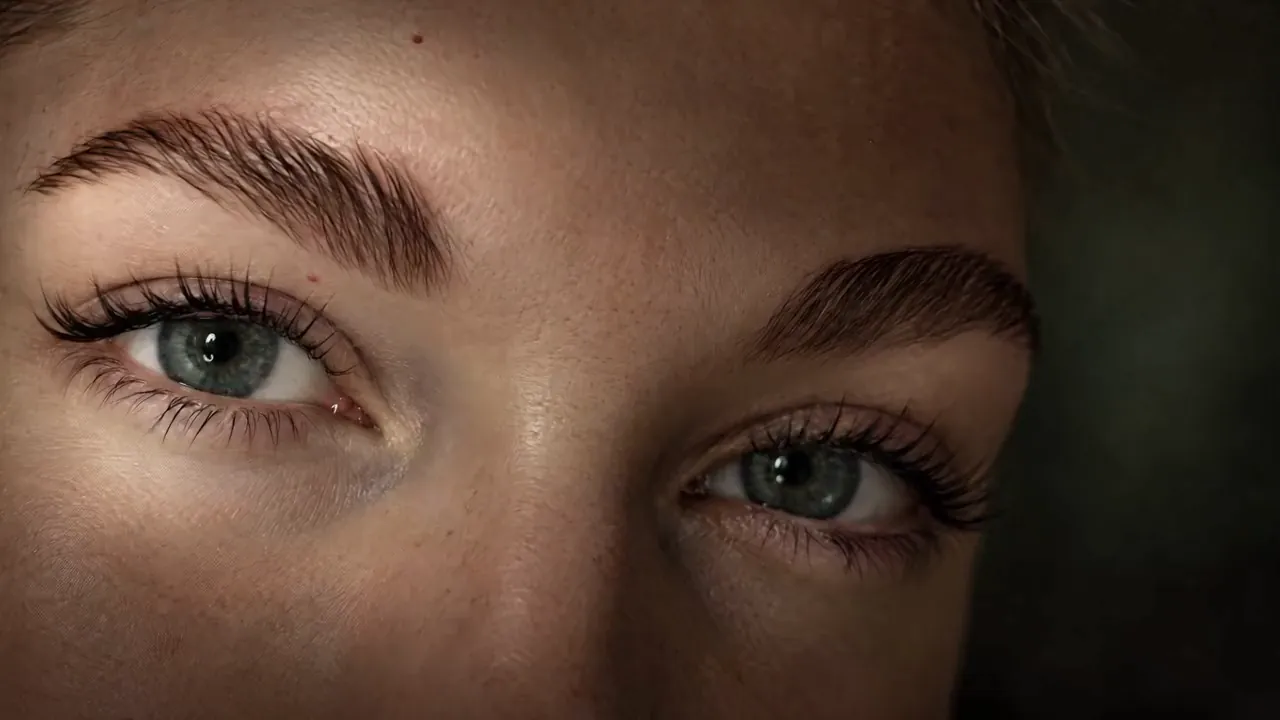
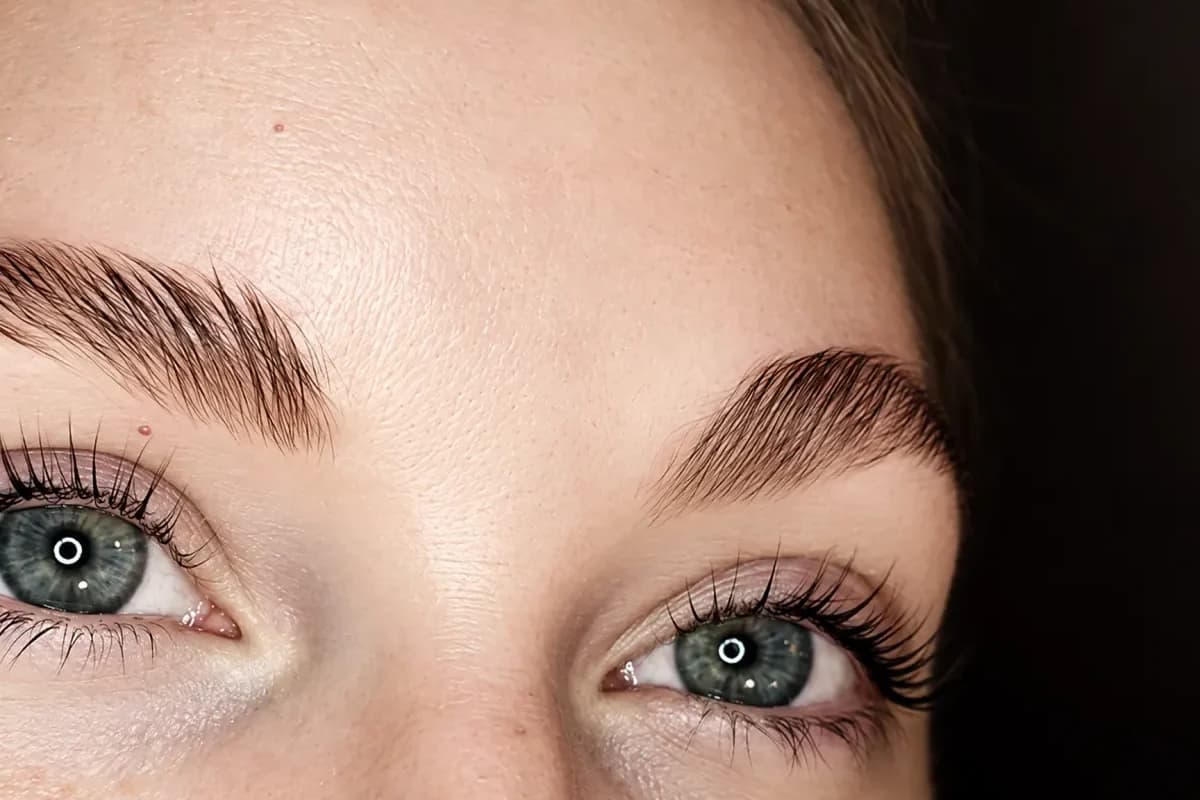
A usable, straight-on photo with both eyes open can describe what is visible in that frame: whether a crease shows, whether a fold covers part of it, how close the fold sits to the lash line, and how much of the natural lashes can be seen. A second matched view can show whether that relation changes when you look slightly down.
| The image may record | The image must not decide |
|---|---|
| Crease visibility with the eyes open | Monolid, hooded or another identity label |
| Where a fold sits relative to the lash line | Identity, background or ancestry |
| Natural lash direction and visible length | The customer's taste or the best finished style |
| Whether angle, hair, glasses or blur block the view | Suitability, medical cause or a promised result |
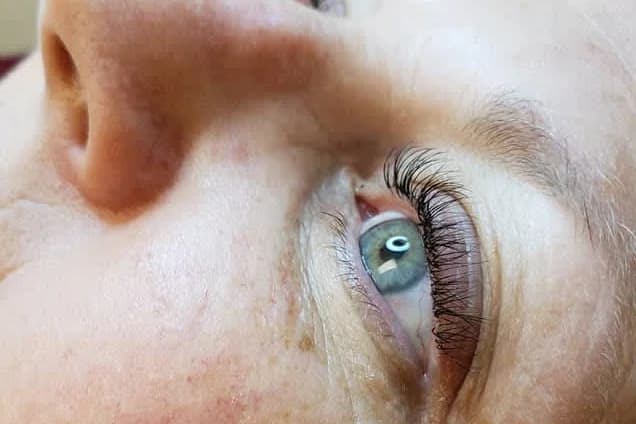
Capture conditions matter. Squinting, raising the brows, looking down, turning the head or using a very tight crop can change how much crease and fold the frame shows. When those conditions are unclear, the correct engine output is a retake request—not a more confident label.
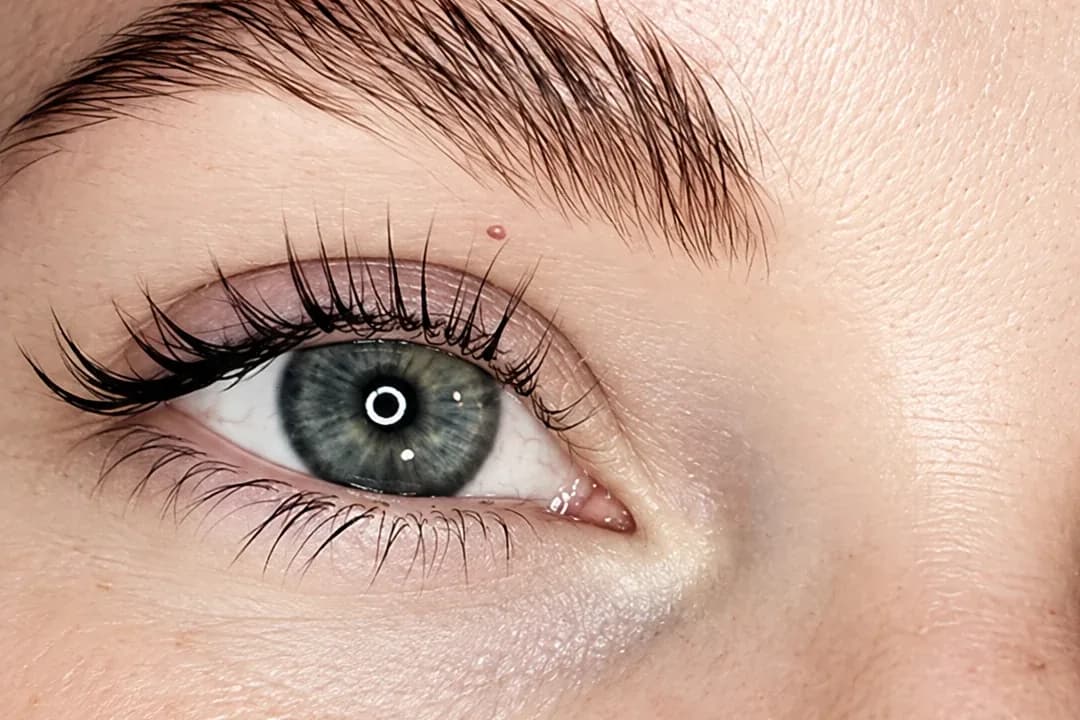
Which lash style works best for monolid or hooded eyes?
There is no single best map for either label. Start with the result you want when your eyes are open: more visible natural lashes, added length, a softer outline, more texture or a darker lash line. Then combine that goal with your own lash direction, visible length and the fold-to-lash relationship Desiree can inspect in person.
| Your goal | The useful next question | Possible conversation |
|---|---|---|
| Show more of my own lashes | Do they have enough visible length when lifted? | A Lash Lift or Lash Lift and Tint |
| Add length beyond my natural lashes | Where should the finished tips remain visible with my eyes open? | A full set, with curl and length confirmed in person |
| Keep the result soft | How much texture and darkness do I actually want? | Classic, hybrid or another lighter brief |
| I do not know | Which effect matters most—and what do I want to avoid? | Use See what we see, then let Desiree confirm |
For a hooded-lid styling discussion, read what lash extensions work for hooded eyes. If your lashes point straight or downward, lift or extensions for straight lashes separates direction from added length. Neither page turns a label into a prescription.
How should the AI use this distinction?
The useful connection is not a new beauty rule. It is a better separation of authority, so the same record can support a blog answer, a camera note and a real consultation without pretending they are the same kind of evidence:
- The image contributes: crease visibility, fold coverage, lash direction, open-eye visibility and capture sufficiency.
- You contribute: your own label if you use one, the effect you want, what you want to avoid and any comfort concern.
- The corpus contributes: the exact published fold-variation finding, its study boundary and the fact that it did not test lash maps.
- Desiree confirms: what is visible in person and which current service, curl, length or texture fits the agreed goal.
That boundary is practical, not ceremonial. A person can correct the visible note or supply her own wording, while Desiree can still use the same close-ups to discuss the open-eye result. The evidence remains attached to the limited claim it actually supports.
What photos and words should I send before booking?
- Straight on: both eyes open, brows relaxed, face level and soft light in front of you.
- Slightly down: keep the head still and lower only your gaze, so the natural lashes are easier to see.
- Same distance: do not compare one extreme close-up with one full-face photo.
- Your words: say whether you use monolid, hooded or neither—and name the effect you want instead of relying on the label.
I describe my lids as [monolid / hooded / neither / unsure]. With my eyes open, I want my lashes to look [more visible / longer / softer / darker], and I want to avoid [too much length / heaviness / a dramatic finish].
Quick answers
- Can monolid eyes also be hooded?
- People use the terms differently, and visible fold patterns can overlap. The useful consultation step is to describe whether a crease shows, where the fold sits and how much lash remains visible with your eyes open. Let your own wording travel with the photos instead of asking the camera to assign identity.
- Can AI tell whether I have monolid or hooded eyes?
- It should not make that identity-style call from one photo. Central Oasis may describe whether a crease is visible and whether a fold covers part of it in a usable frame. You provide any label you use, and Desiree confirms the visible starting point and service fit in person.
- Are lash extensions or a lash lift better for monolids?
- Neither is automatically better. A lift changes the direction of your own lashes; extensions add length and can add fullness. Compare your visible natural length, lash direction, desired effect and maintenance preference. The word monolid does not answer those questions by itself, so choose from the result you want.
- What lash curl is best for hooded eyes?
- There is no universal curl for every hooded lid. The useful question is which curl keeps the chosen length visible with your eyes open without creating a result you dislike. Bring a straight-on photo and describe the effect you want; Desiree can confirm curl and length against your actual lashes.
Who’s behind the answers
About the studio
Central Oasis is a lash and brow studio in Northeast Portland, led by Desiree, the lash and brow artist. Every service description in this diary quotes her own menu, word for word.
Book it
- Classic Lash Full Set$150 · 120 minutesCall to book (971) 205‑2402 for Classic Lash Full SetText (971) 205‑2402 to book Classic Lash Full Set
- Hybrid Lash Full Set$170 · 150 minutesBook Hybrid Lash Full Set (opens Square in a new tab)
- Volume Lash Full Set$235 · 180 minutesBook Volume Lash Full Set (opens Square in a new tab)
- Mega Volume Lash Full Set$275 · 180 minutesBook Mega Volume Lash Full Set (opens Square in a new tab)
Nothing is charged online; you pay at your visit.
Sources
- 程喜平 (2003). Observation of skin fold between double eyelids line and palpebral edge (doi:10.3760/cma.j.issn.1671-0290.2003.03.006). 中华医学美学美容杂志.An abstract-source observation of additional folds between the double-eyelid crease and lid margin; it supports fold variation, not identity classification or lash-service selection.
- Warren RJ (2022). Upper Blepharoplasty and Brow Rejuvenation in Men. Clinics in Plastic Surgery.A surgical review focused on men; its exact screened claim supports anatomical complexity and interconnected age-related change, not a monolid label or lash-service rule.
Know someone with the same question?